Kyiv
Map: Kyiv
Where to go in Kyiv


Where to stay in Kyiv


Where to eat in Kyiv


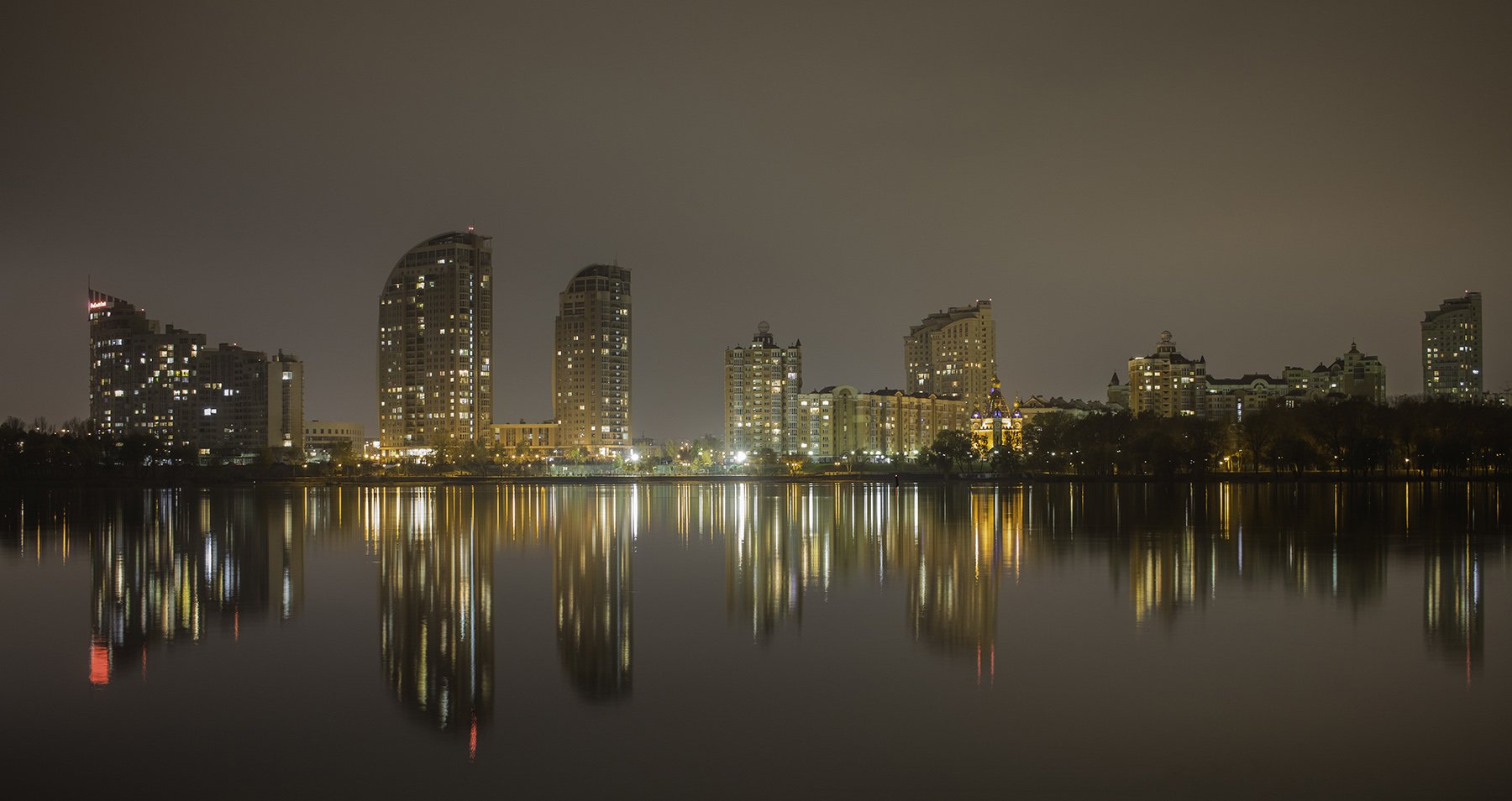
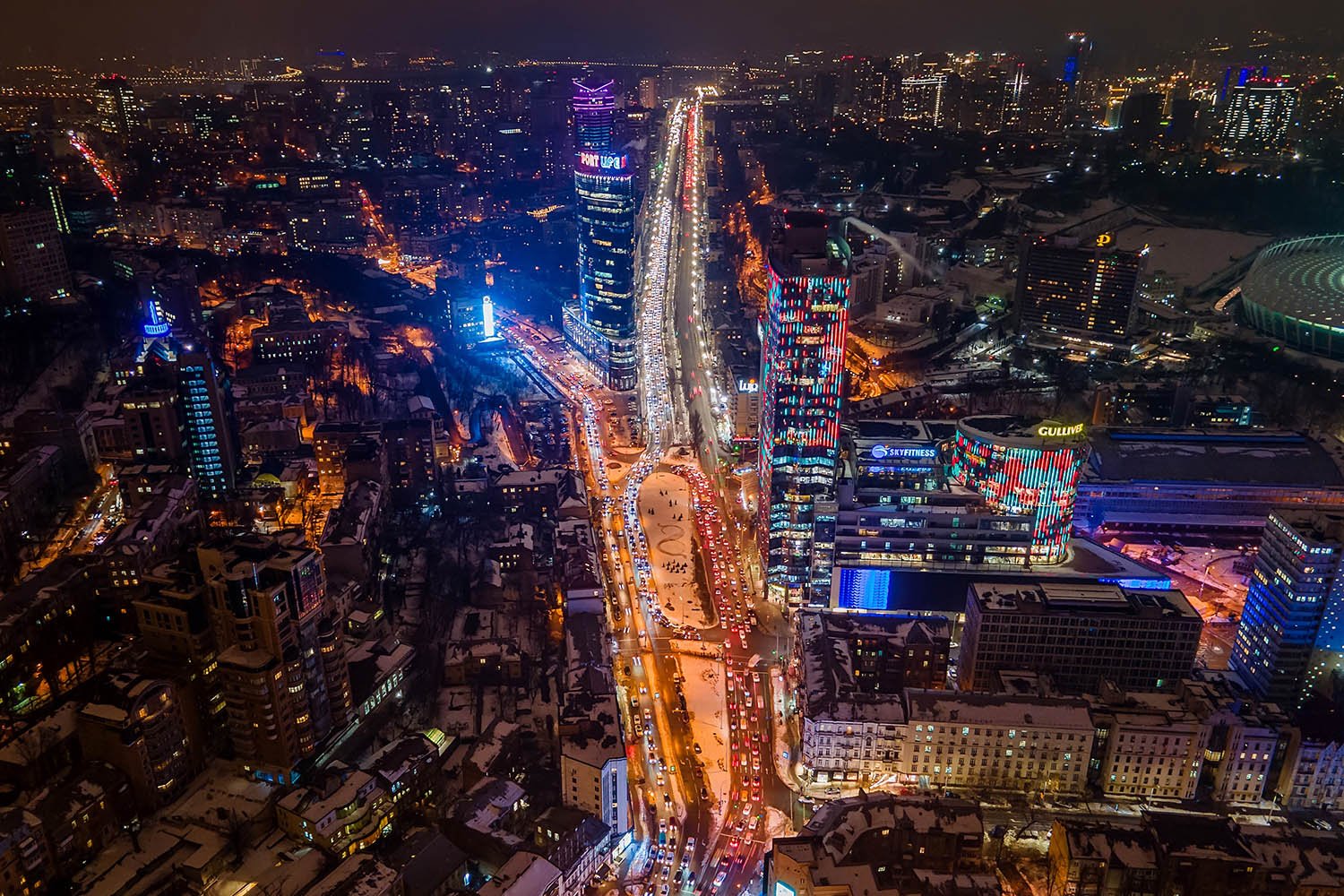
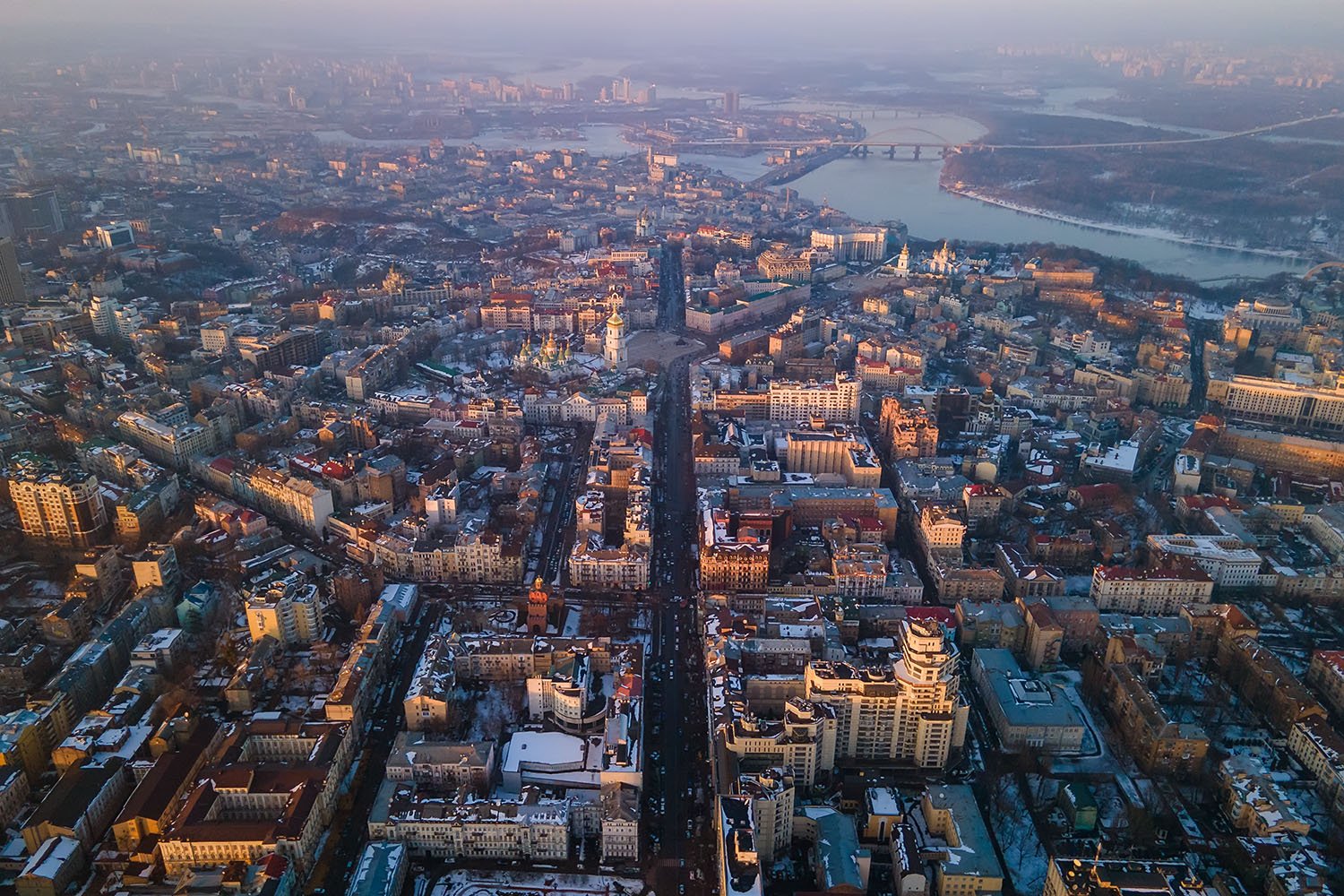
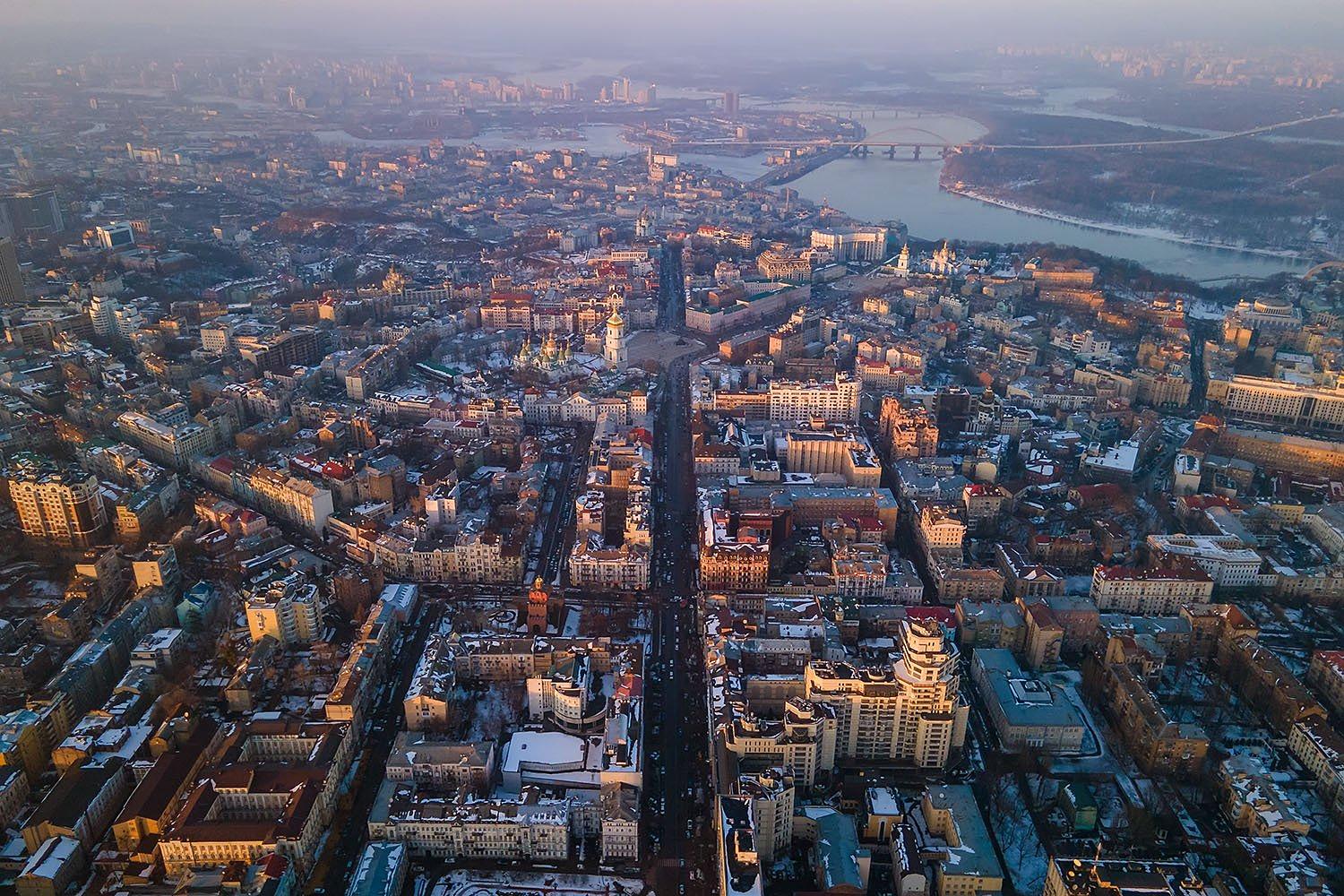
The right bank of the Dnipro lifts about a hundred metres straight out of the water, and nearly everything Kyiv is known for sits either on top of that drop or at the foot of it. Gold domes ride the ridge line. Podil lies flat below in the old flood plain. Across the river the left bank runs out into planned Soviet districts of tower blocks and eight-lane avenues. You will feel the gradient in your legs within an hour of arriving.
This is a working capital of some three million people, under martial law and under regular missile and drone attack, going about its business with an ordinariness that catches first-time visitors off guard. The cafés are full. The trams run. The sirens interrupt. All of it is true at once.
A city with a cliff down the middle of it
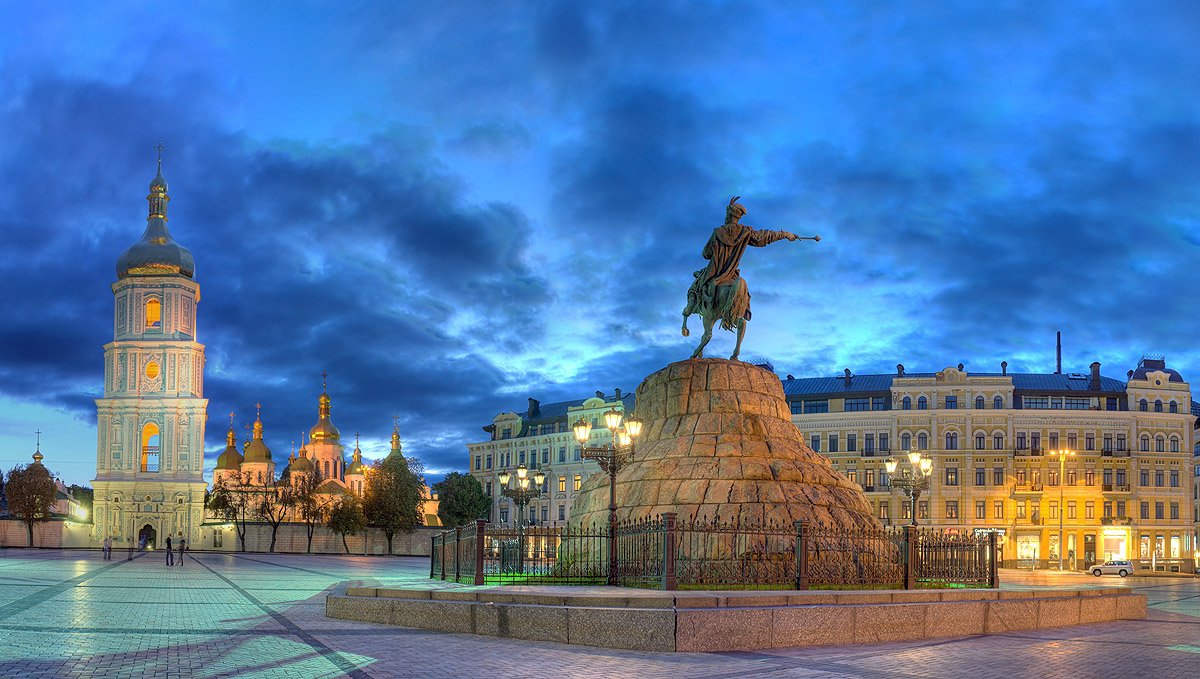
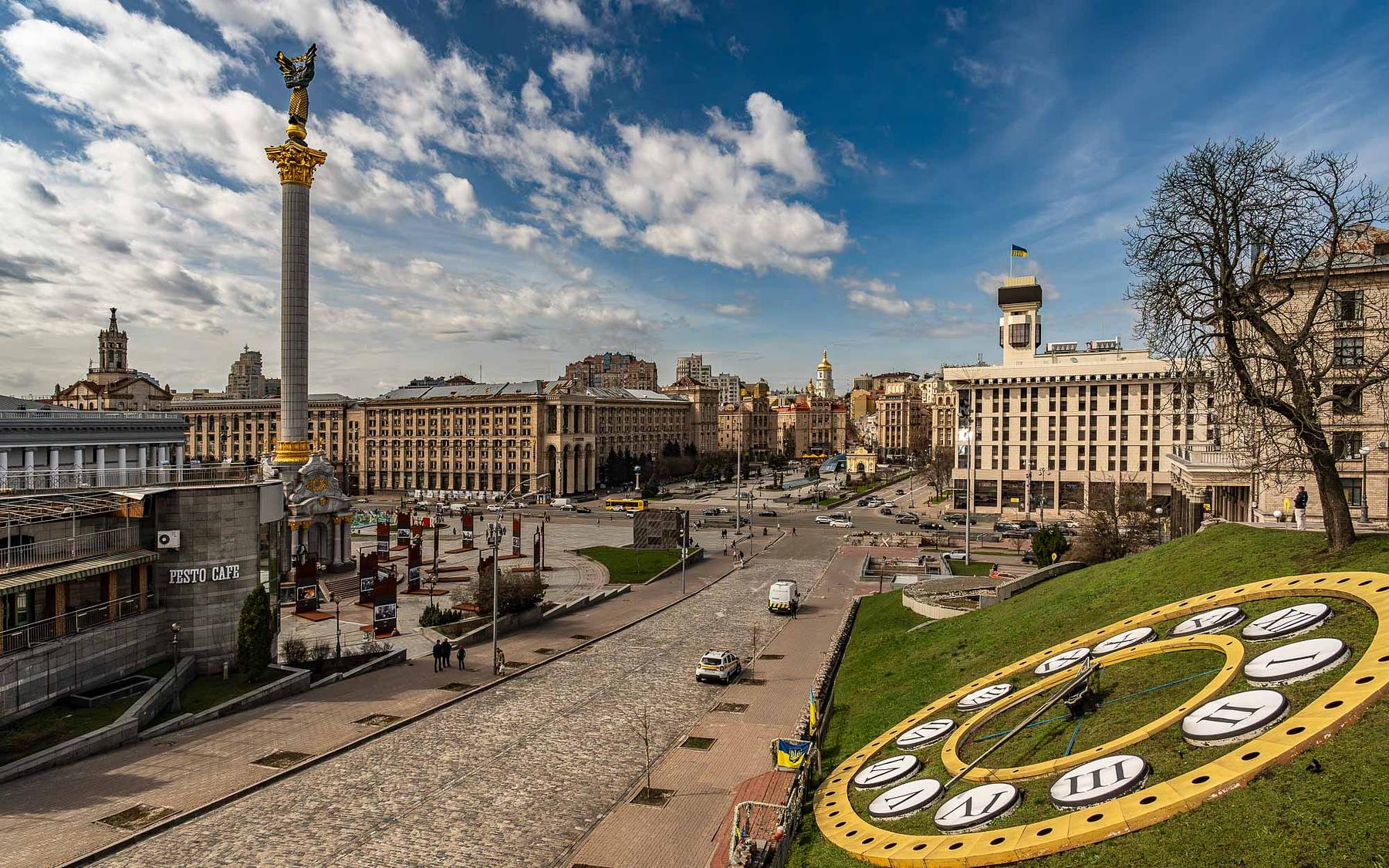
The ground a visitor covers is smaller than the map suggests. The ridge carries Sofiiska and Mykhailivska squares, the Golden Gate and, further south, Pechersk and the government quarter. Below it, Podil is the old merchant town — low, gridded, and where most of the bars are. The two levels are joined by the funicular, running since 1905: 238 metres of track, three minutes, Mykhailivska Square down to Poshtova on the river.
Khreshchatyk, the central axis, is only 1.2 km long and unusually wide, because it was laid along the bed of a ravine. Underground, Arsenalna sits 105.5 m down — one of the deepest metro stations in the world, and a long enough escalator to answer your email on.
The old core, and what was done to it
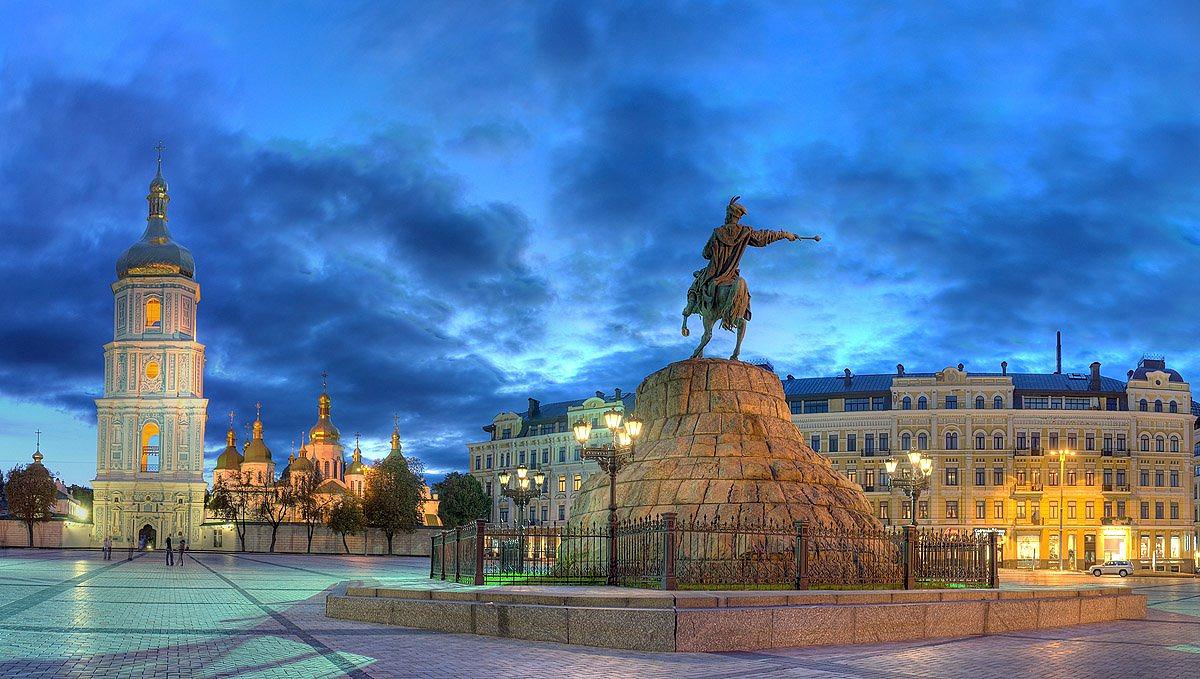
Saint Sophia was founded in 1037 and still holds its 11th-century mosaics and frescoes. It was Ukraine's first UNESCO inscription, listed in 1990 together with the Kyiv Pechersk Lavra and the burial caves down the slope. Between those two points lies a thousand years of building and a great deal of demolition: Khreshchatyk was mined and burned in 1941 and rebuilt in Stalinist yellow brick, and the pavilion at the Golden Gate is a 1982 reconstruction over the surviving fragments.
The most recent change is up on the Motherland Monument, the 102-metre steel figure above the river. In August 2023 the Soviet coat of arms was cut off her shield and a trident put in its place. Andriivskyi Descent, the cobbled hook of a street below St Andrew's Church, handles the souvenirs.
Dinner is earlier than it used to be
Start cheap. The perepichka window by Teatralna metro sells a deep-fried sausage roll to a permanent queue and has done for decades; take more napkins than you think. Then work up. 100 Rokiv Tomu Vpered cooks modern Ukrainian without the folk-costume routine — borshch made the old way, without tomato, desserts built on beetroot. Musafir does Crimean Tatar food and coffee brewed on sand. Ostannia Barykada, under Maidan, lets you in only if you can produce the password, a line of Shevchenko.
Book the early sitting. Curfew runs midnight to 05:00, so kitchens close early, most rooms empty by ten, and the evening peaks at an hour when it used to be starting. Generators stand on the pavement for the nights the power goes. Cards work almost everywhere; keep cash for the markets.
Alerts, shelters and the shape of a night
Install two apps before you arrive: an air-alert app, and Kyiv Digital, which sells QR tickets for the metro and buses and maps the nearest shelters. Tokens are gone from the turnstiles — it is a phone or a bank card now.
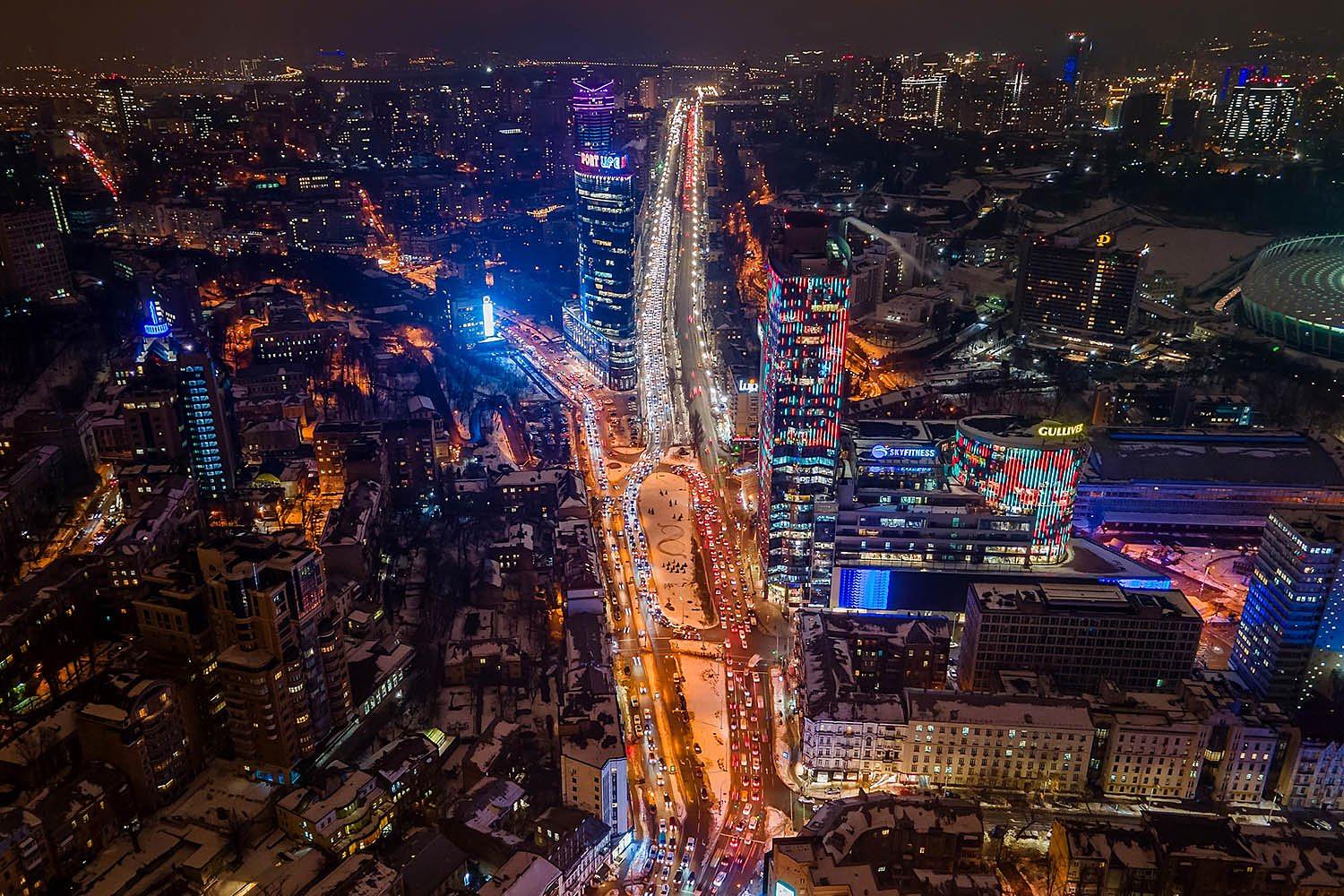
During an alert surface transport stops and the metro keeps running, doubling as the city's main shelter; forty-six underground stations open their halls. On the night of 29–30 July 2026 more than 56,000 people slept in the Kyiv metro. Air defence over the capital is the heaviest in the country and most of what is fired at it comes down — but not all of it, and falling debris kills people too. Attacks tend to arrive after midnight, in waves. Take the alerts seriously even when the person beside you doesn't; they have had four years to make that calculation.
A day outside the ring road
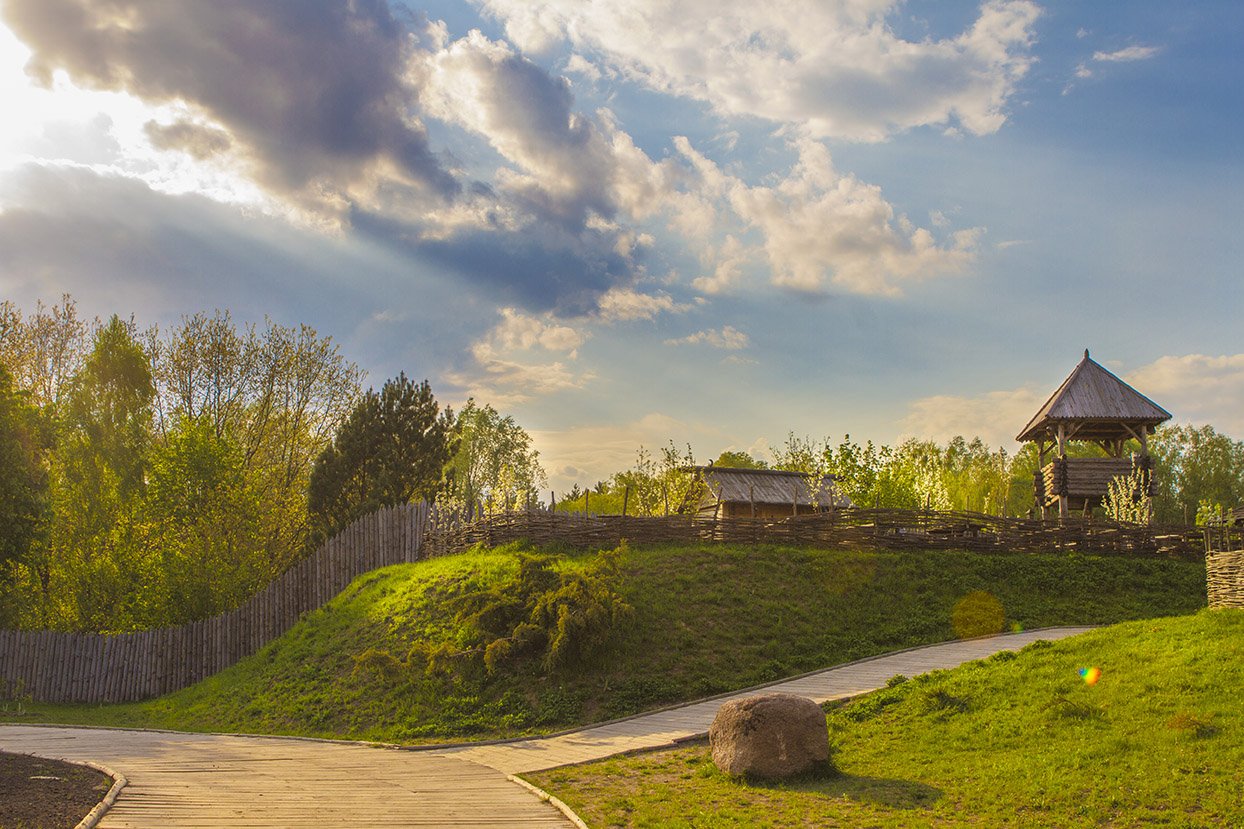
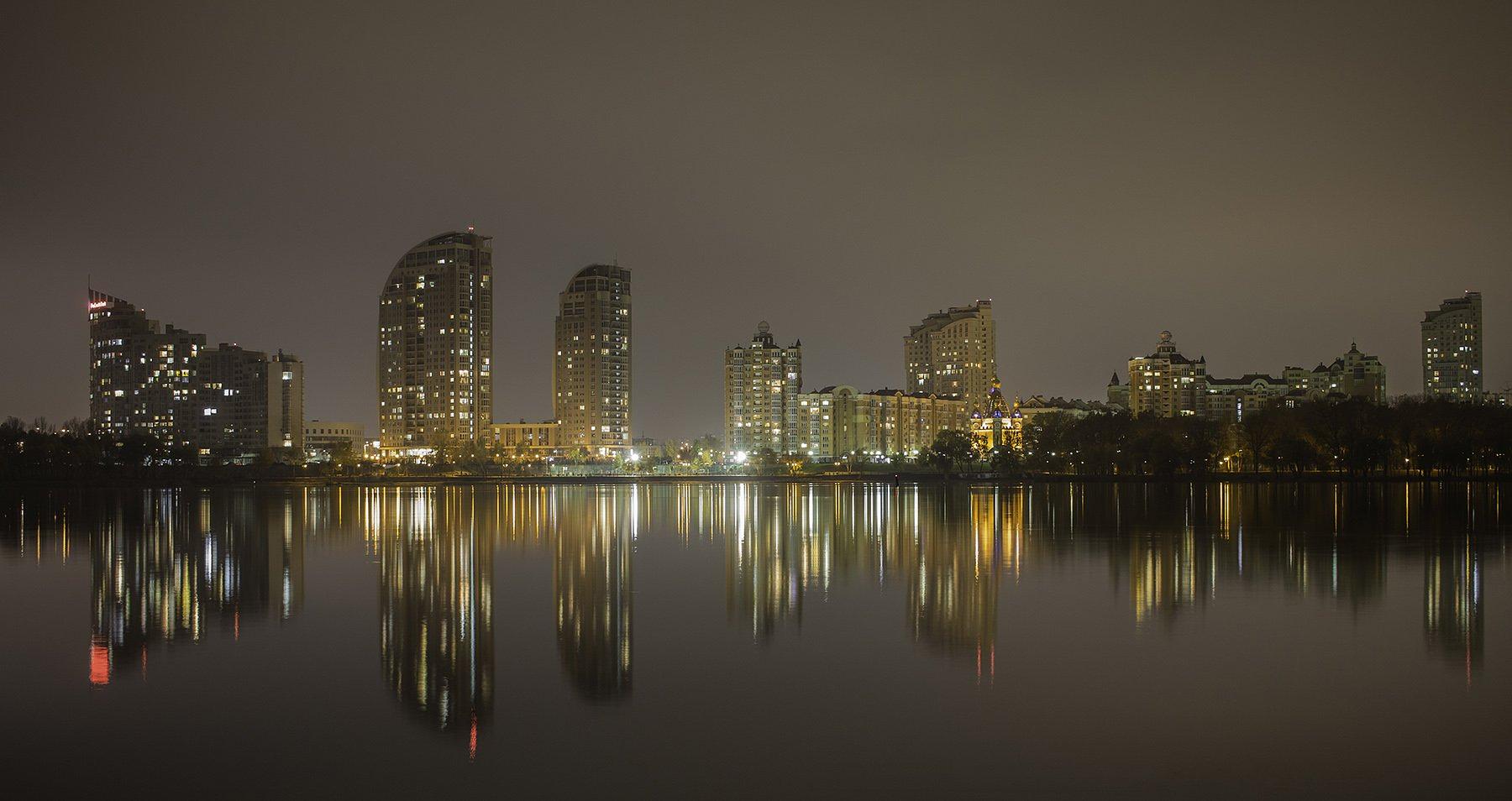
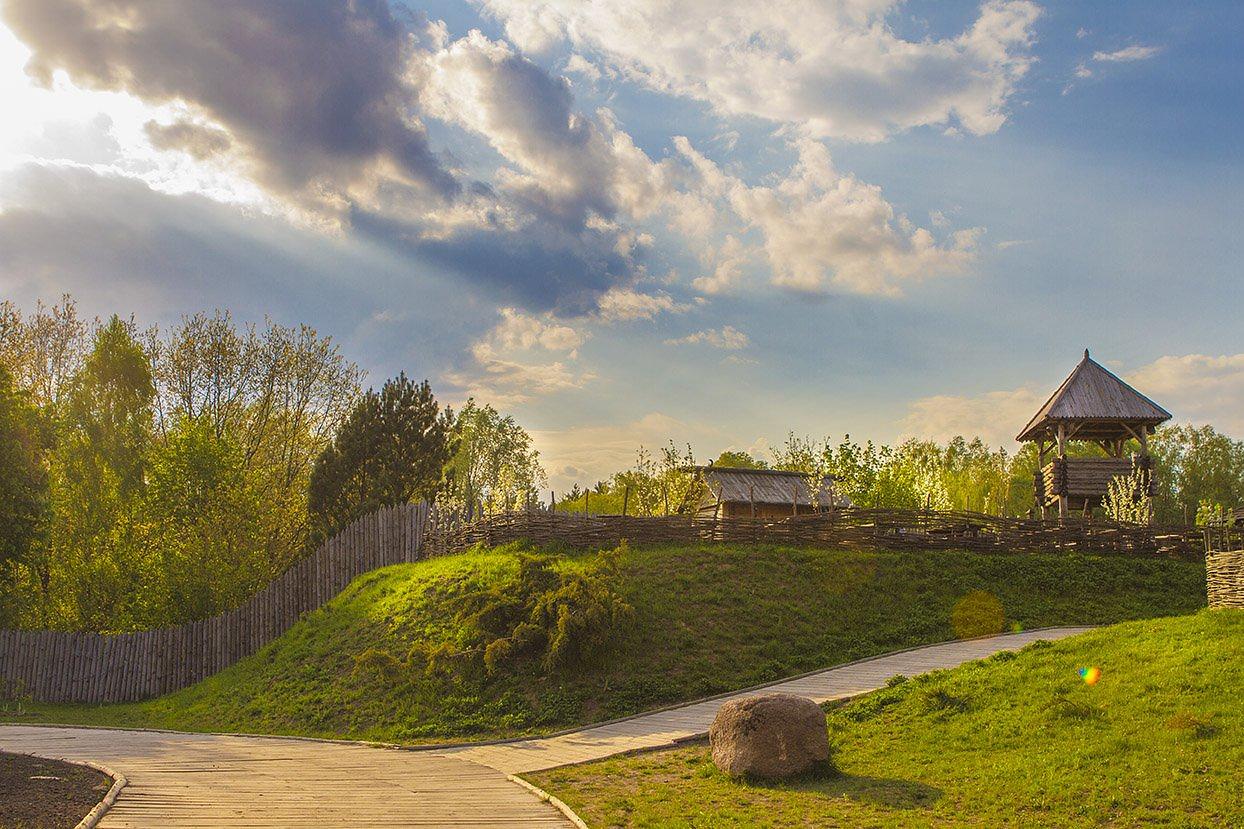
Mezhyhirya at Novi Petrivtsi — the confiscated presidential estate, now a public park with a riverside path best done by bike. Dobropark grows flowers on an industrial scale: tulips, then lavender, then hydrangeas into autumn. The Kyivan Rus Park at Kopachiv is a full-size reconstruction of the medieval city, horses and archery included. Vytachiv is a wooden chapel on a bluff above the flood plain and, at sunset, the best picnic within an hour of town. Confirm opening before you set off.
Arriving, moving, and how long to give it
Ukrainian airspace has been shut to civil aviation since February 2022, so everyone comes overland — through Poland, Slovakia, Hungary, Romania or Moldova. The usual route is a flight into Warsaw, Kraków or Rzeszów and then a train from Przemyśl, with passport control at the station and on board and a couple of hours at the border. Kyiv–Lviv trains run roughly hourly under the December 2025 timetable, fastest just under six hours.
Cross the river by metro: between 08:30 and 10:30, and again from 17:30 to 19:30, the bridges set solid. Artesian pumps stand in courtyards and parks across the city and locals fill bottles from them. Skip the paid viewing decks: the Globus terrace on Maidan, the slopes below St Andrew's and the arch on Volodymyrska Hill give you the same city for nothing. Three days is the floor. Come in May for the chestnuts and lilac, or in October for the light.