Kolochava
Map: Kolochava
Where to go in Kolochava
Where to stay in Kolochava
Where to eat in Kolochava
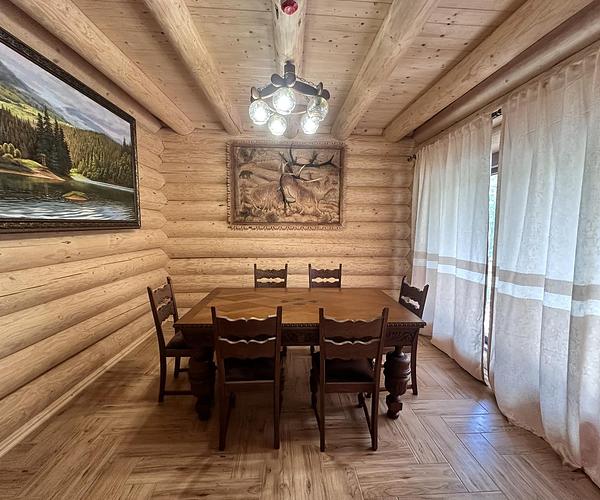
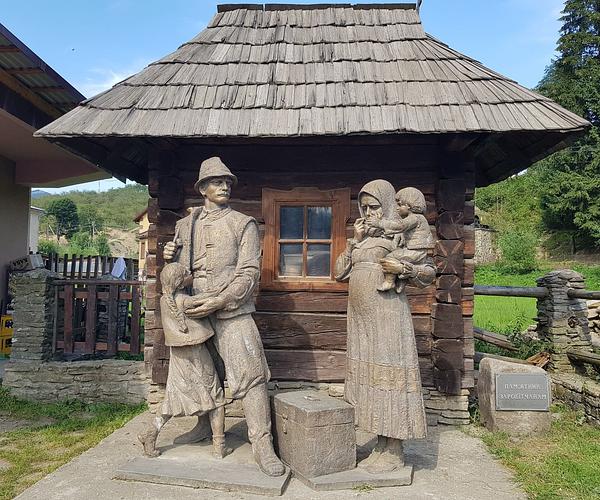
Ten museums, five thousand people. Kolochava has made an industry of its own past, and the inventory is odd enough to read out: an open-air museum of old village life, a steam locomotive with ten wagons, a Czech school, a Soviet school, an insurgent’s dugout, restored bunkers from a Hungarian defensive line, and a wooden church of 1795 whose doorway records the carpenter’s name and the fact that there was famine that season. In October 2025 UN Tourism put the village on its Best Tourism Villages list.
None of that is the older reason to come. For most of a century Kolochava’s fame was a Czech export — a novel of 1933 that generations of Czech schoolchildren have had to read.
Four rivers and one very long street
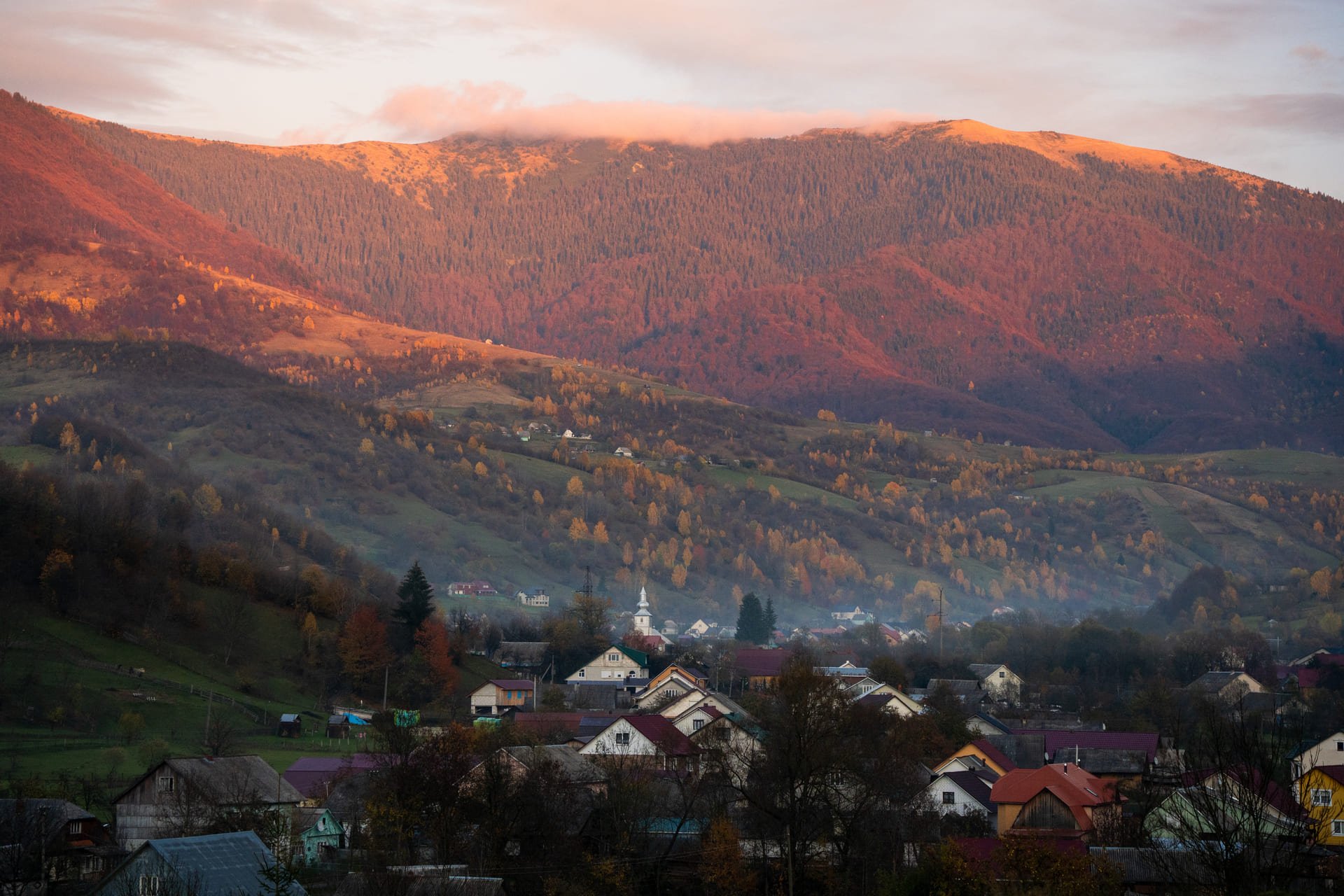
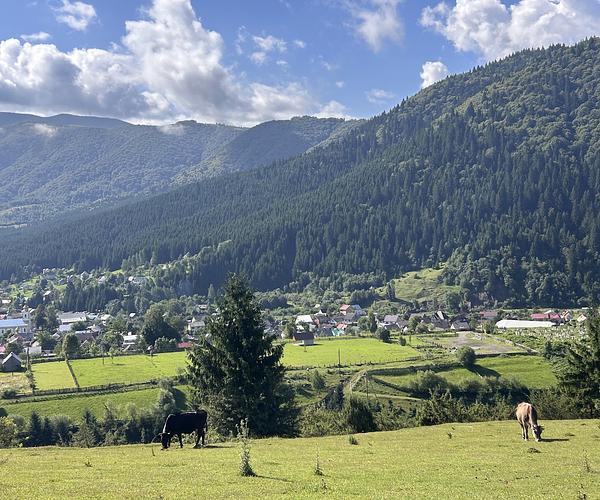
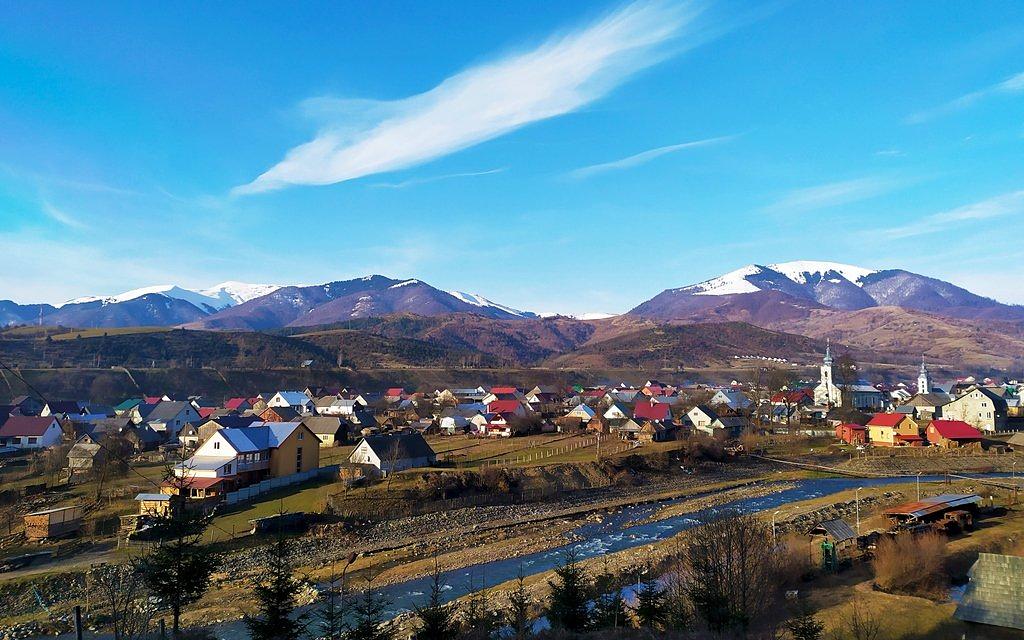
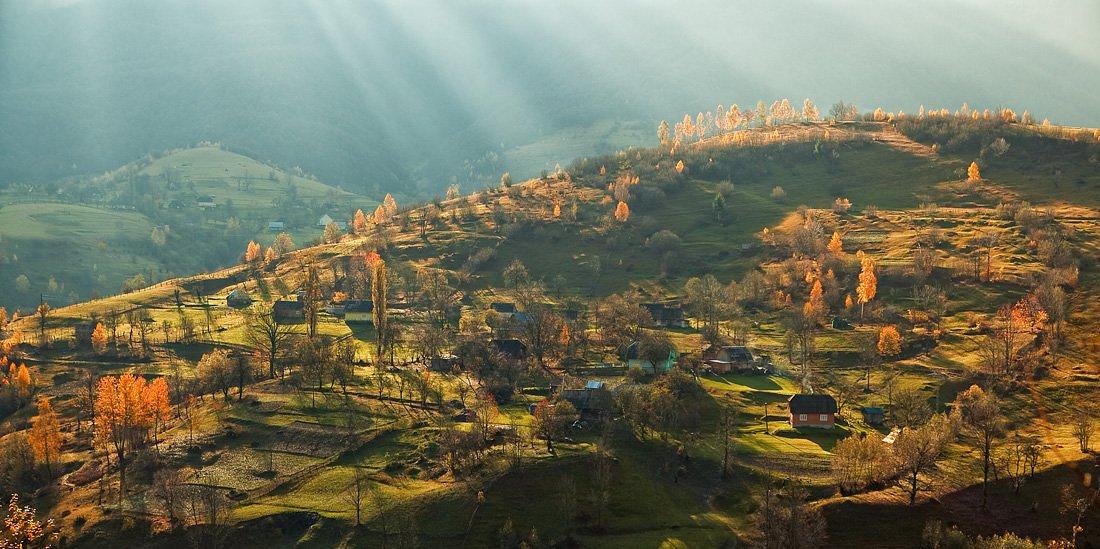
The village lies at 631m in the valley of the Tereblia, inside the Synevyr National Nature Park, with four streams coming off the slopes into it. It has no centre. Kolochava is a chain of hamlets strung along the valley road, so the drive through takes much longer than the distance suggests: houses, then gardens, then meadow, then houses again. Mizhhiria, the nearest town, is 26km away.
The first written mention is 1463. The people who settled here were running from serfdom and each cleared his own patch, which is why the hamlets sit where they do. A run of states has owned the valley since — Hungary, Austria-Hungary, Czechoslovakia, Carpatho-Ukraine, the USSR — and the mix of people shows it: Boyko, Hutsul, Lemko, Czech, and until the Second World War a substantial Jewish community.
The novel that made it famous in Prague
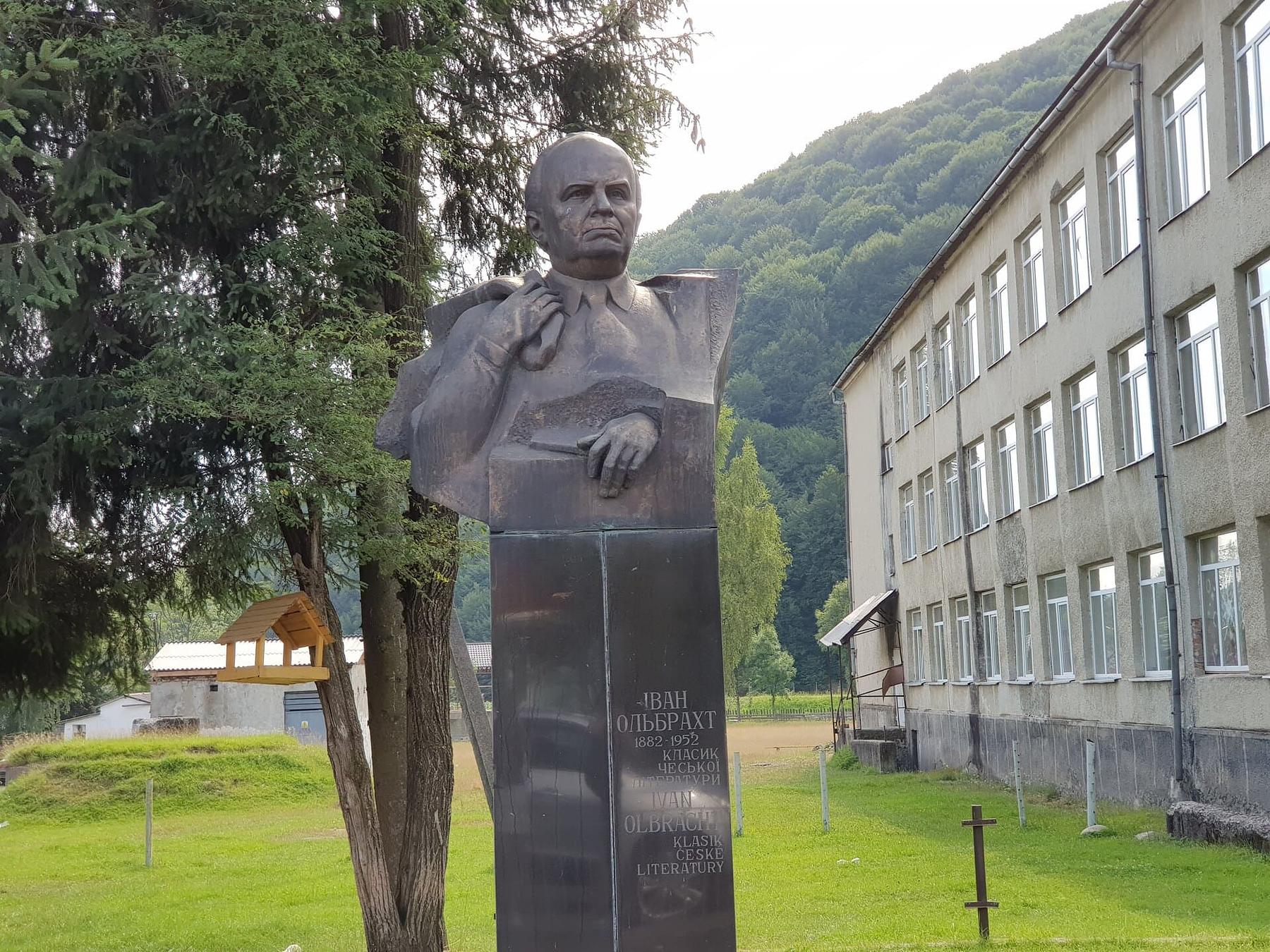
Ivan Olbracht arrived in the early 1930s, stayed several seasons and published Nikola Šuhaj loupežník in 1933. It was a hit at once and has never left the Czech curriculum; films and stage versions followed. Its subject was real: Nikola Šuhaj, a deserter turned outlaw, killed in 1921.
Whether he was a mountain avenger or a robber with better publicity is an argument the village has never settled, and it is more useful unsettled. The consequence is a Ukrainian Carpathian village with a monument to a Czech writer, a museum devoted to him, and Czech visitors who arrive knowing the plot.
Ten museums, and the four to start with
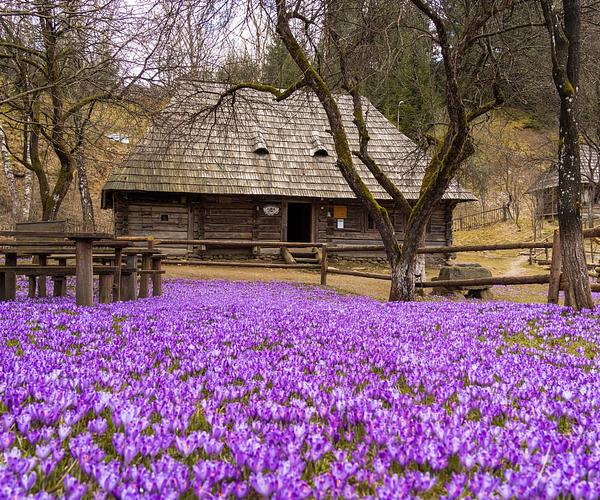
Stare Selo — the Old Village — opened in 2007 as the first open-air museum of folk architecture in Zakarpattia and is still the best single reason to come. Around twenty houses and outbuildings stand there: an inn, a smithy, a mill, a school, a gendarmerie post, a synagogue, shepherds’ kolyby. The arrangement has an argument in it: you move through the social order, pauper to village head, shepherd to innkeeper, cobbler to raftsman. Take the guided tour the first time.
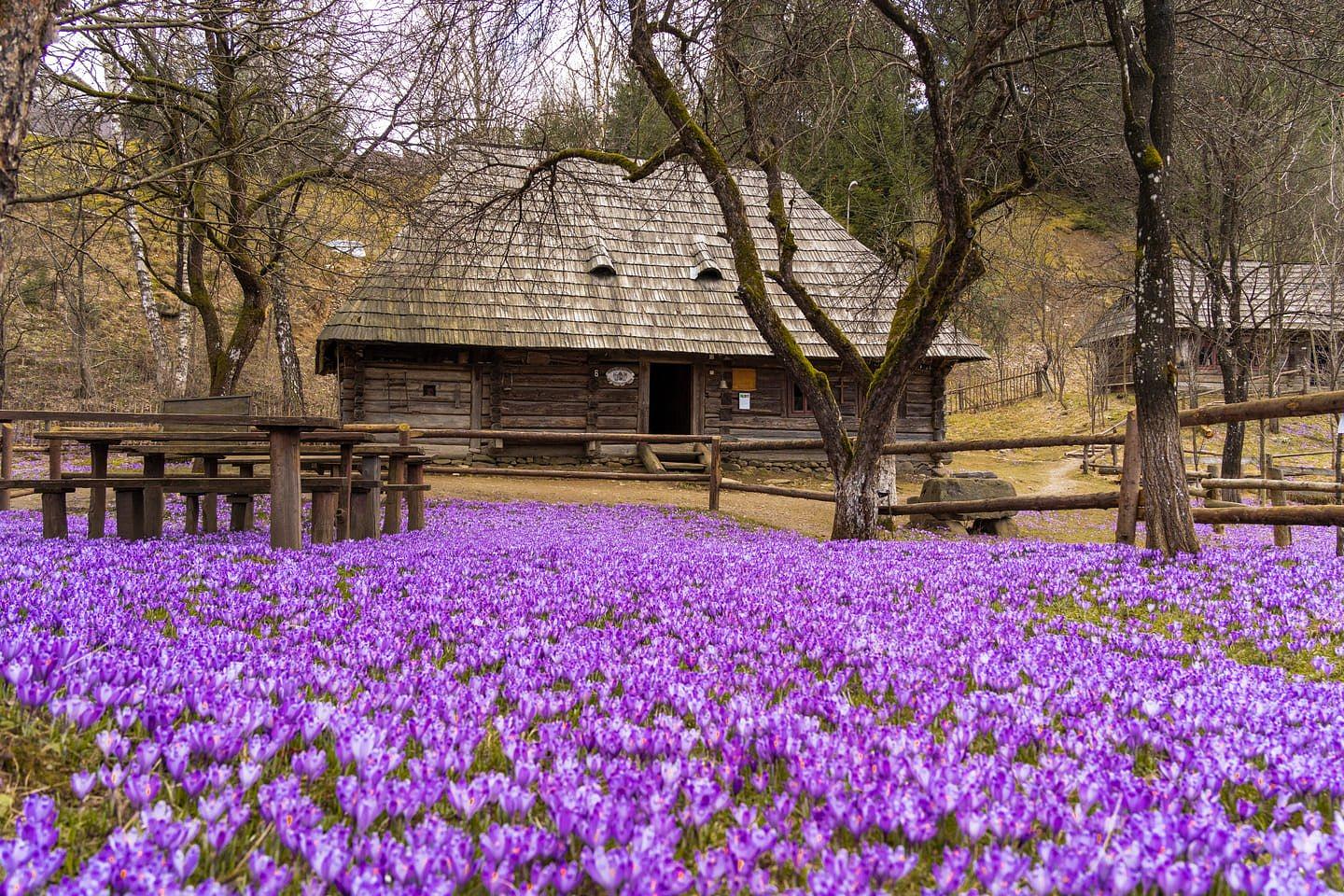
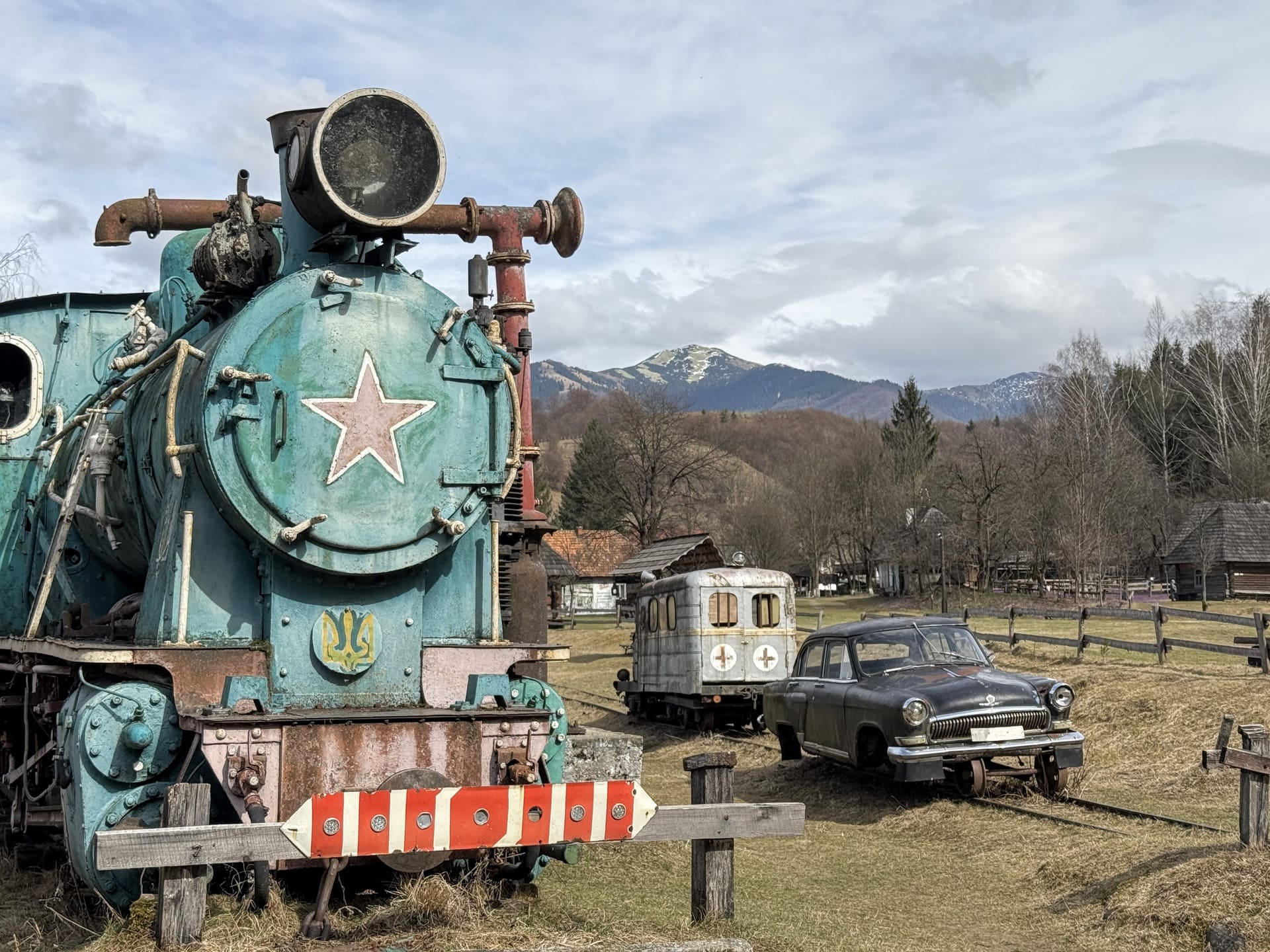
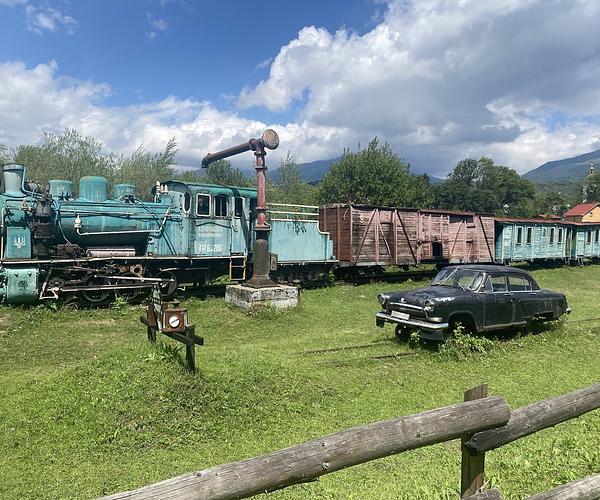
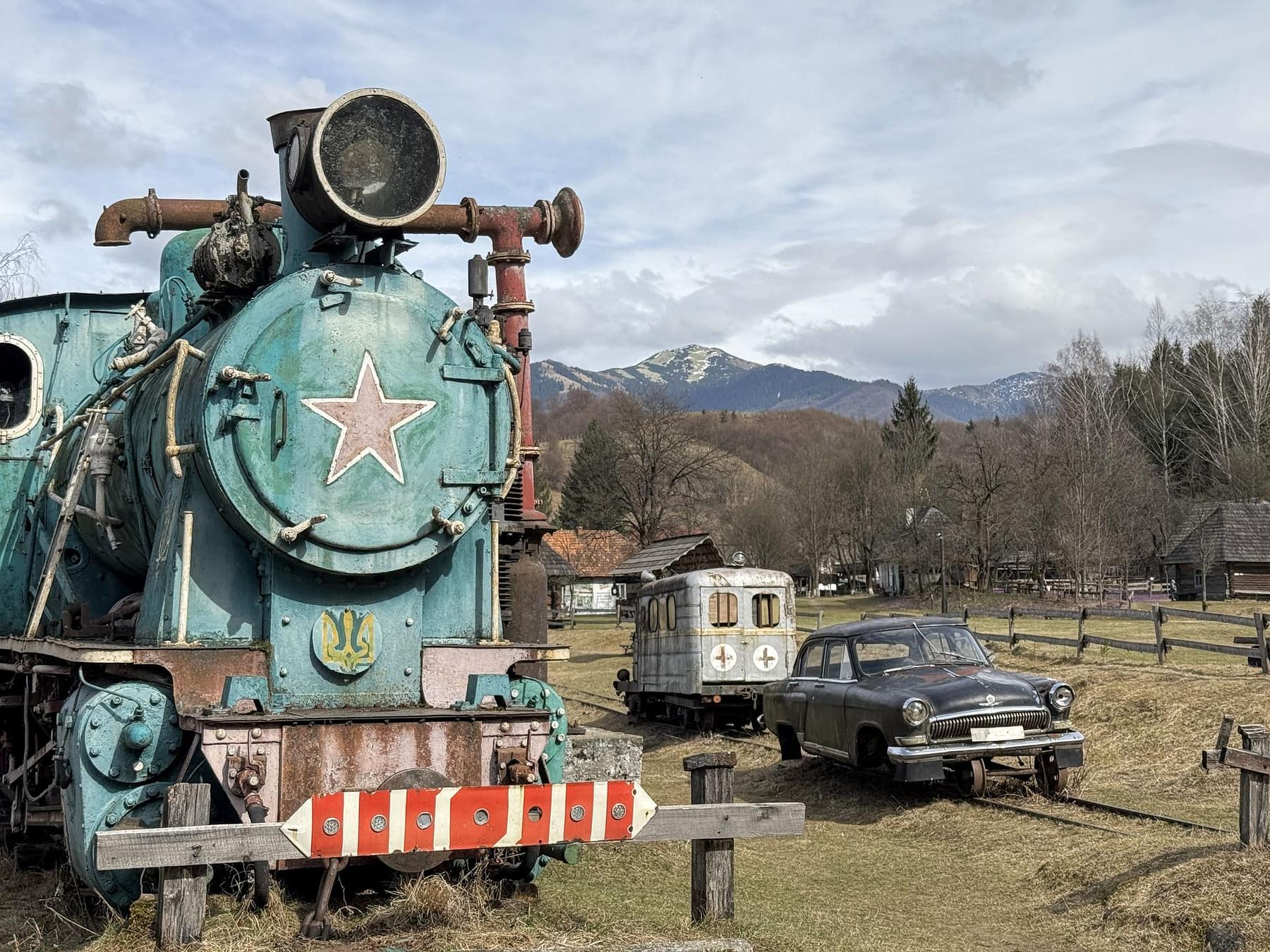
On the same grounds the narrow-gauge museum keeps a steam locomotive and ten wagons: passenger carriages, freight, cattle trucks, timber flats. Logging railways were this valley’s economy for a century, and the display makes that concrete rather than quaint.
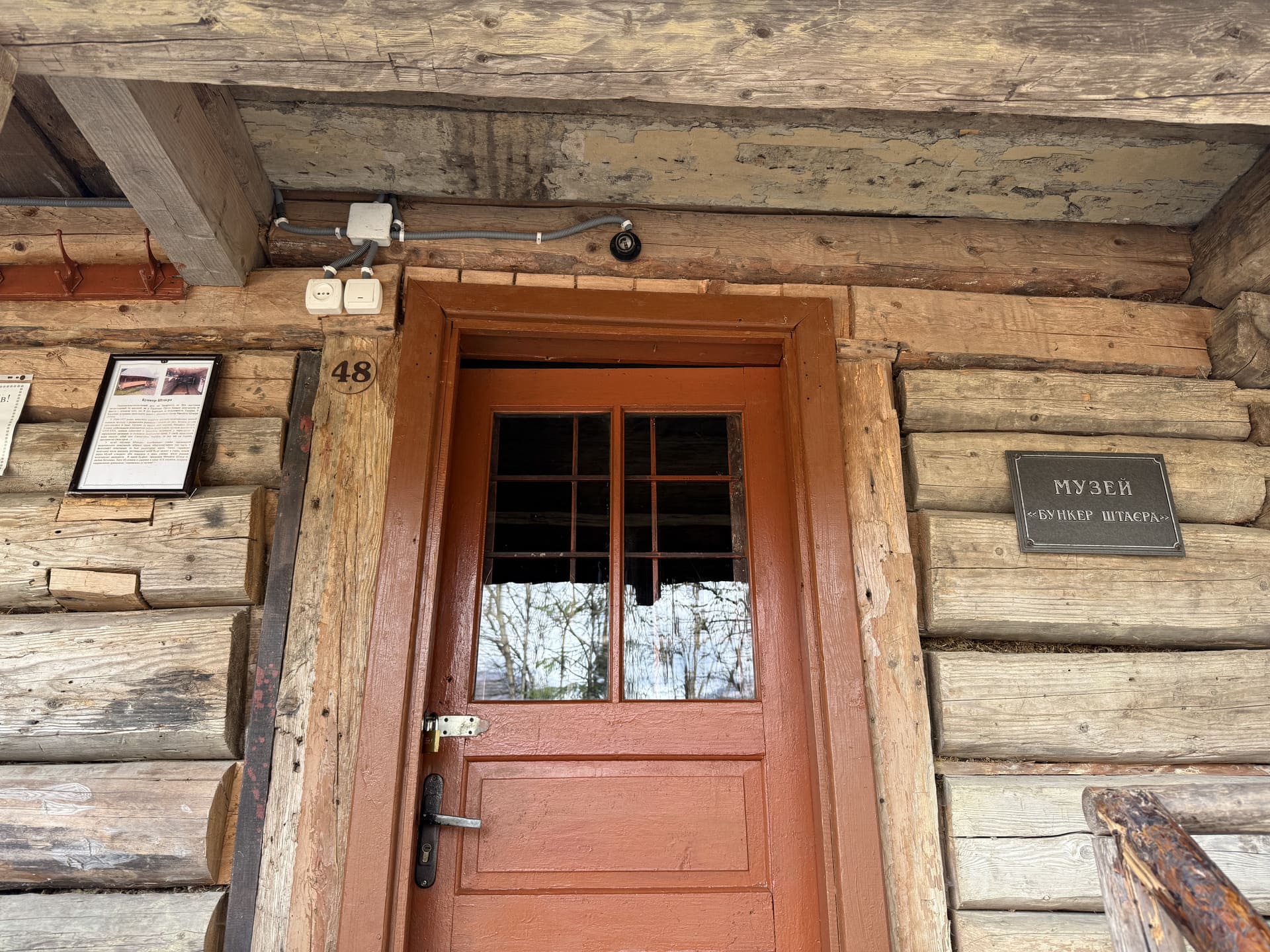
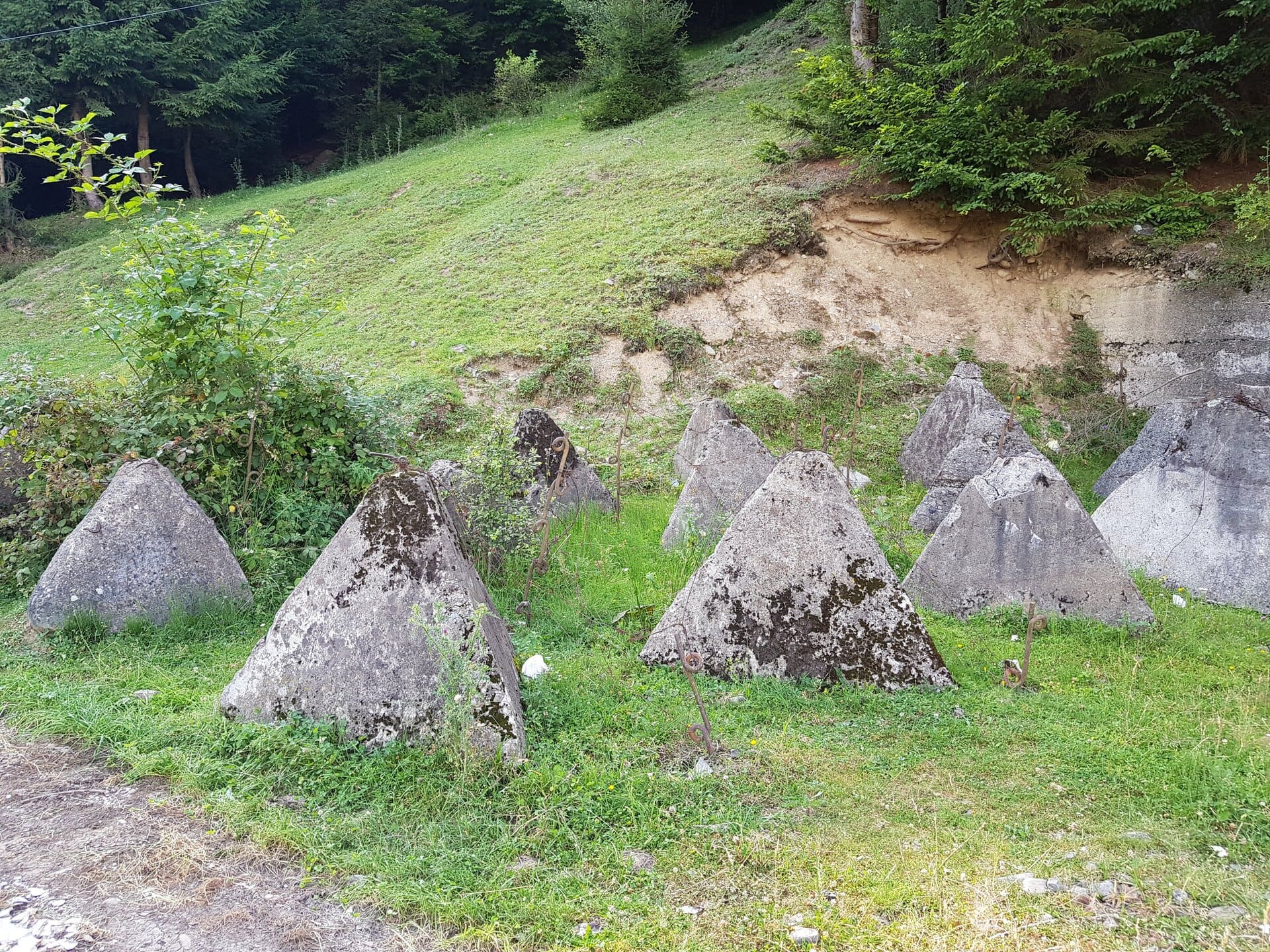
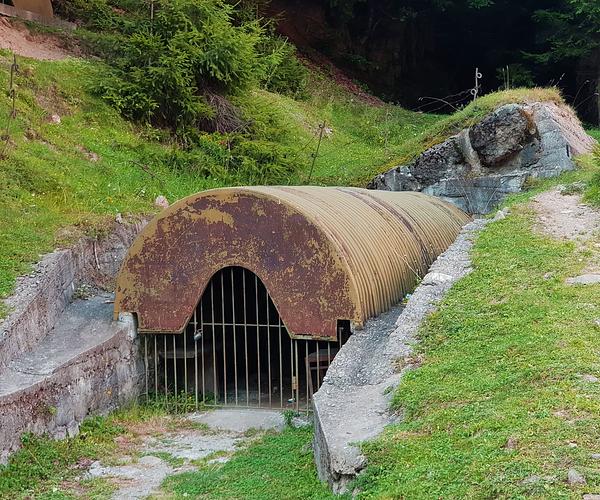
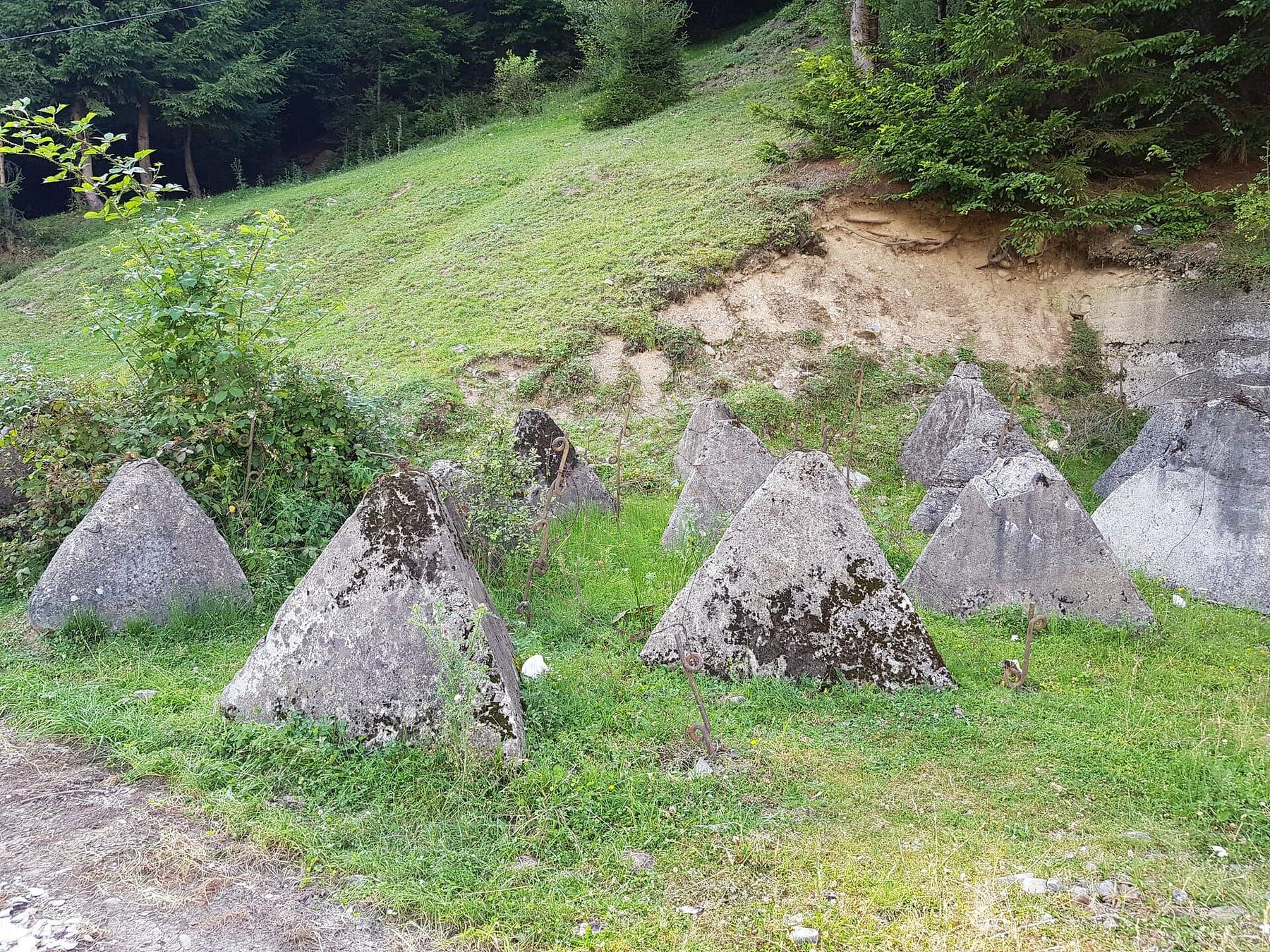
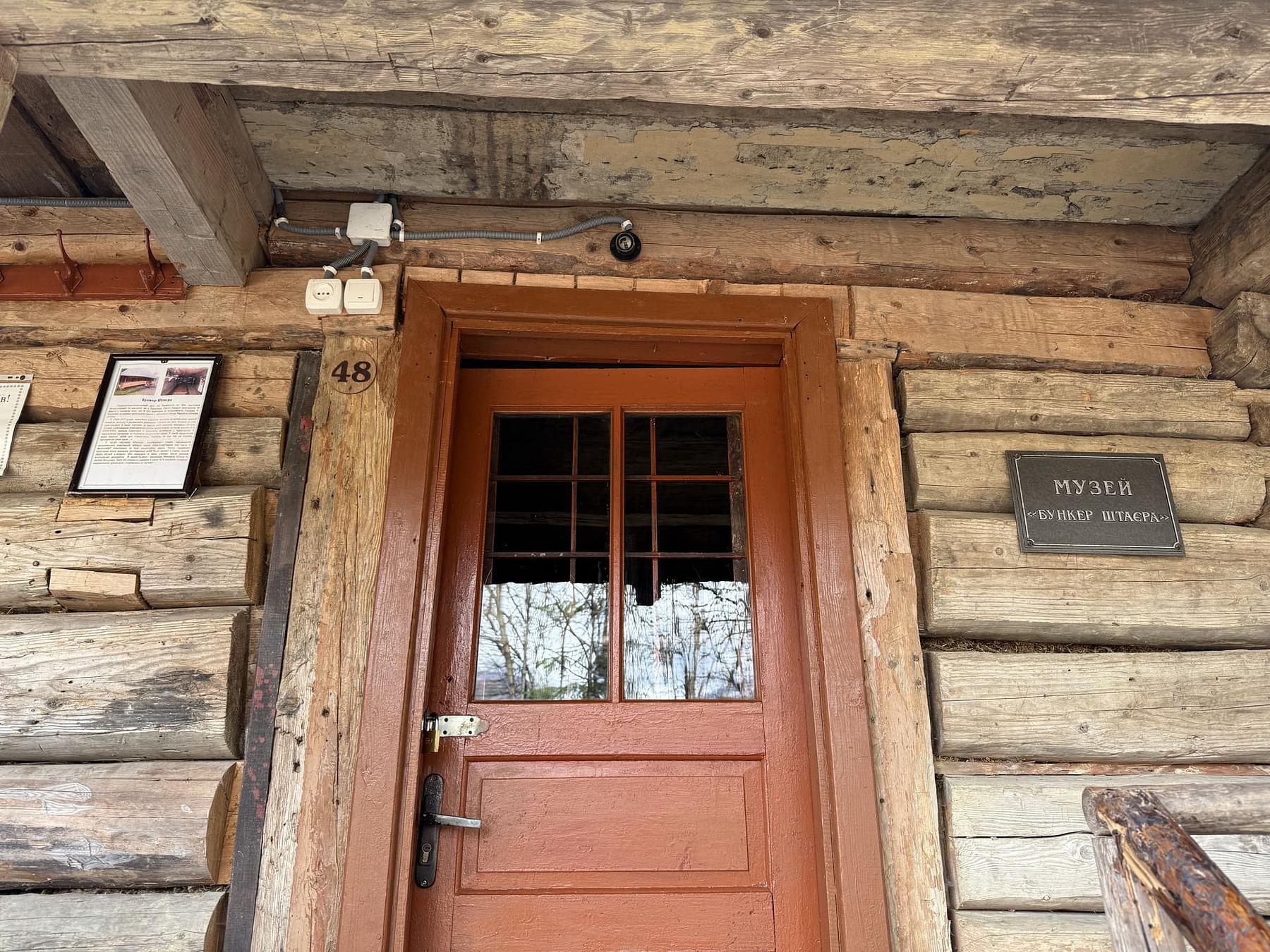
Two of the museums are military and they pull in opposite directions. The Árpád Line is a restored piece of the Hungarian defences of the Second World War; dozens of bunkers survive in the hills around the village. The Shtaier Bunker, on the skansen grounds, belongs to the men who hid in these forests after that war — a kryivka, insurgent weapons and clothing, photographs. Guide only.
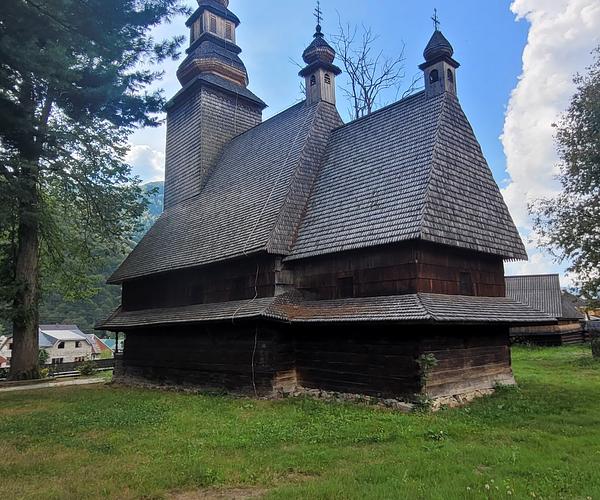
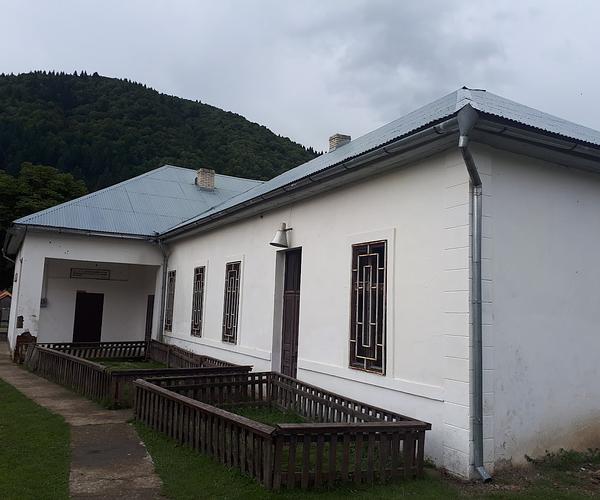
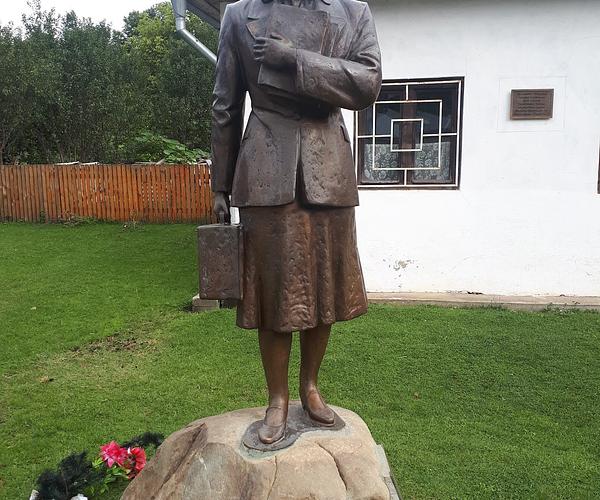
The wooden Church of the Holy Spirit, 1795, is the oldest thing in Kolochava and holds a museum today, an improvement on the Soviet decades, when it held a museum of atheism. The neatest pairing is the last: a Czech School and a Soviet School, the same room twenty years apart, which says more about the century here than the dates do.
Strymba, and the walks that start behind the houses
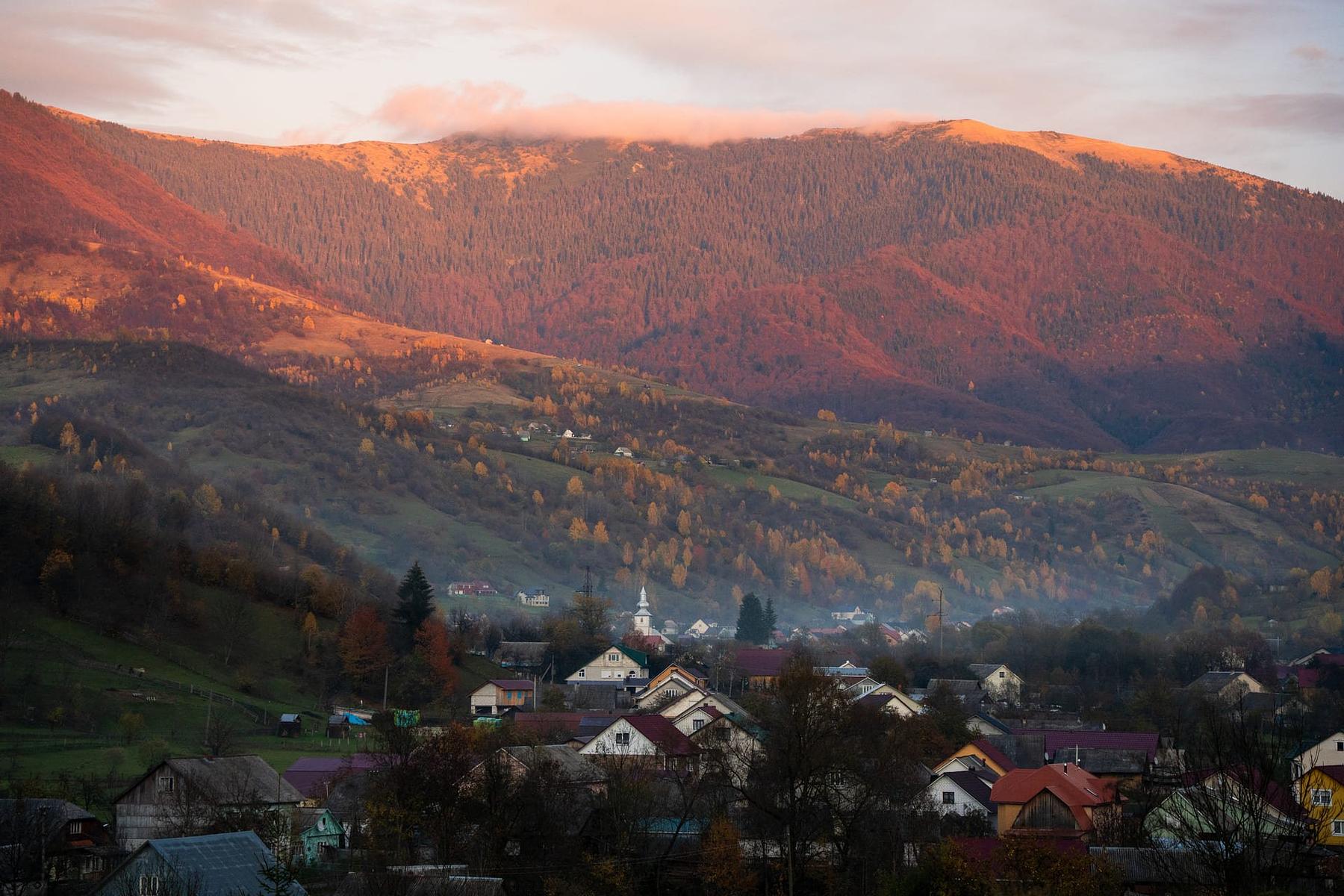
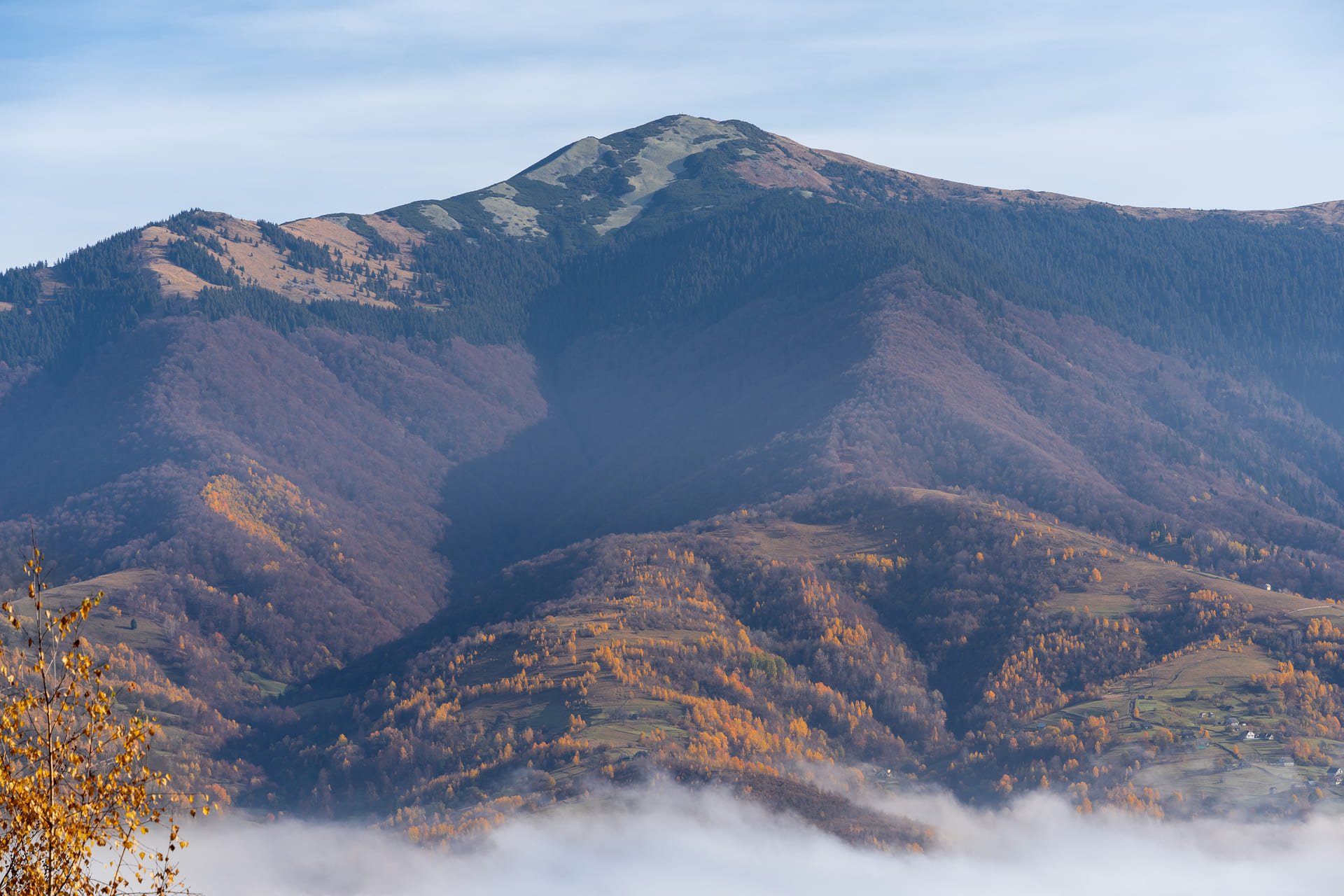
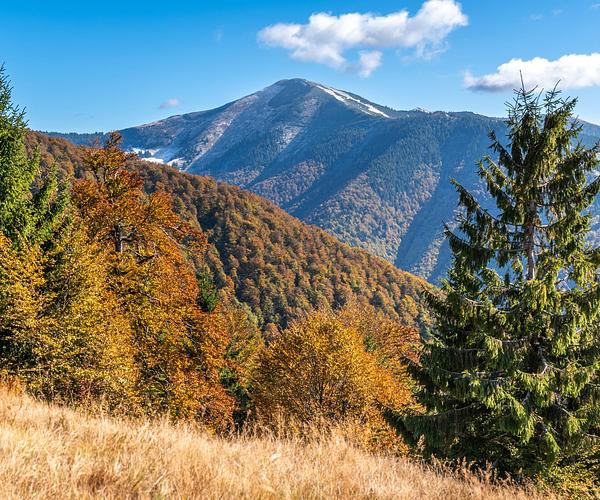
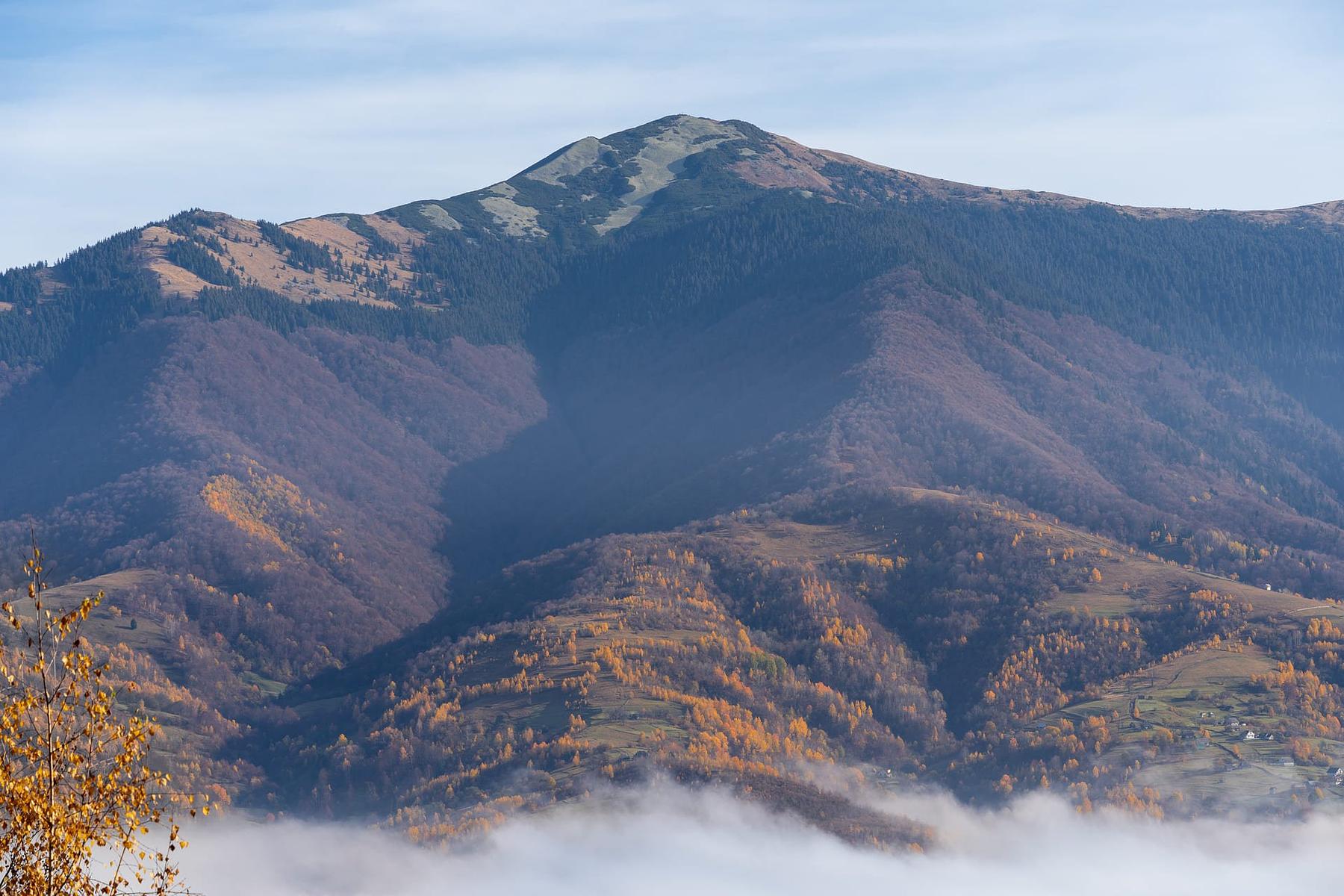
Strymba, 1,719m, is the highest point of the Synevyr National Nature Park and the last summit of the Gorgany. The marked route starts in the village and runs about 15km, climbing from roughly 550m; the top is sandstone scree and thin pasture, with blueberries over the slopes in July and August. Darvaika, around 1,500m, is the one locals call the prettiest, and it is best in October. Topas, 1,548m, sits on Polonyna Krasna and is recognisable at distance by the tower on its summit.
Bears, wolves, lynx and deer live in the beech and spruce below all three. You are unlikely to meet any of them, which is the correct outcome.
Crocuses, trout and the drive in
Late March and early April are the set piece: Heuffel’s crocus comes up across the skansen ground and turns it purple. Autumn brings the landscape photographers — fog in the valley, colour on the slopes, nobody queuing. Eat riplianka, tokan, brynza, vurda and trout from the farm in the village; the Shymoni apiary runs honey and mead tastings if you want something stranger.
For a second day, the Vilshany reservoir is 11km out and Lake Synevyr 20–25km.
Getting here is the hard part. There is no railway; the nearest station is Volovets, about 70km off, and from there it is a bus or an expensive transfer, so nearly everyone drives, through Mizhhiria. The road is far better than it was, though not along its whole length. Give the place two nights. Ten museums is not a figure of speech, and it takes twenty minutes to drive the village end to end before you have stopped at anything.