
Фотограф в Болгарії
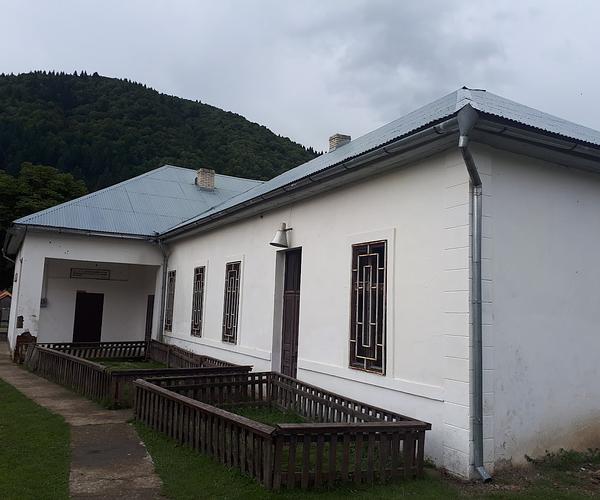
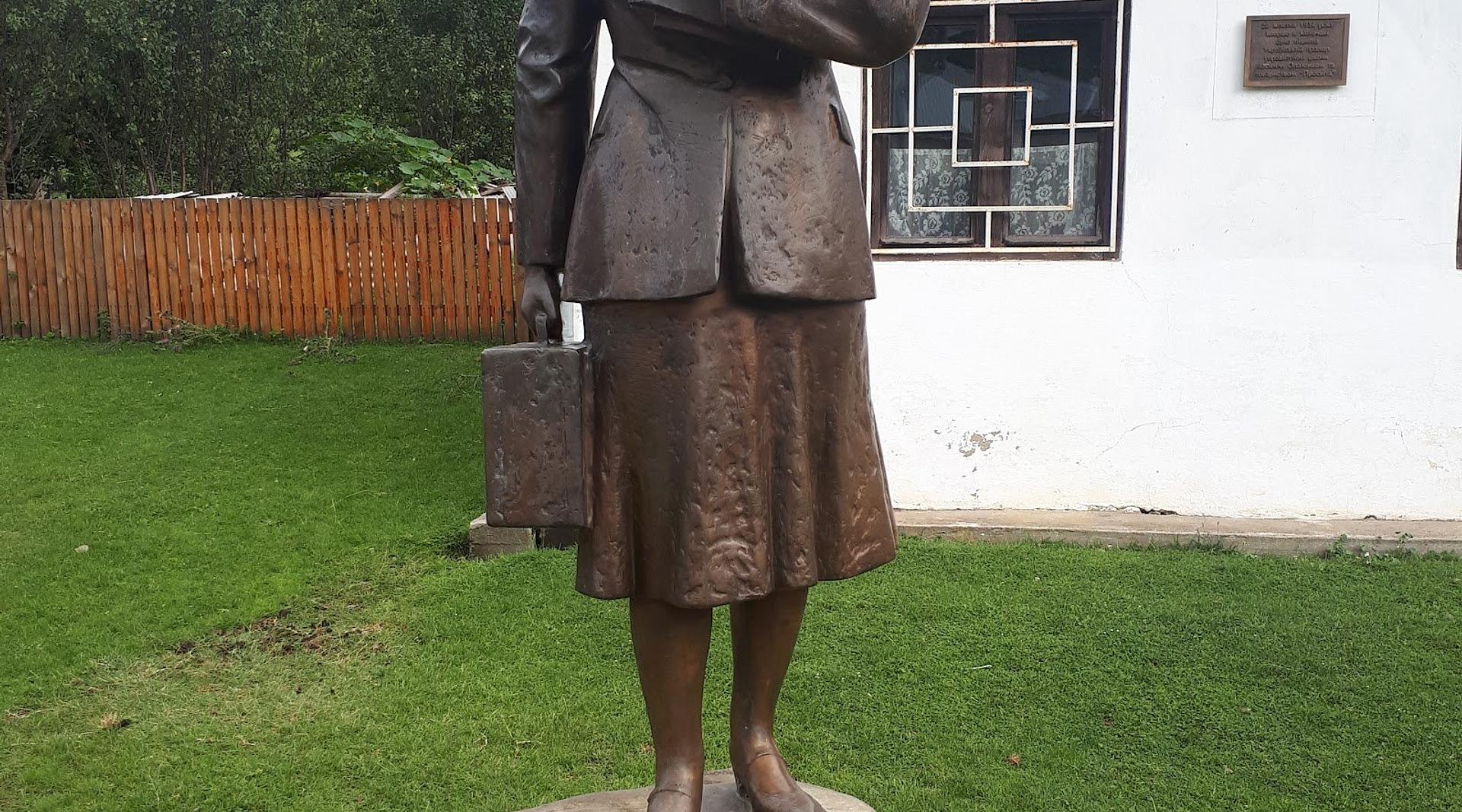
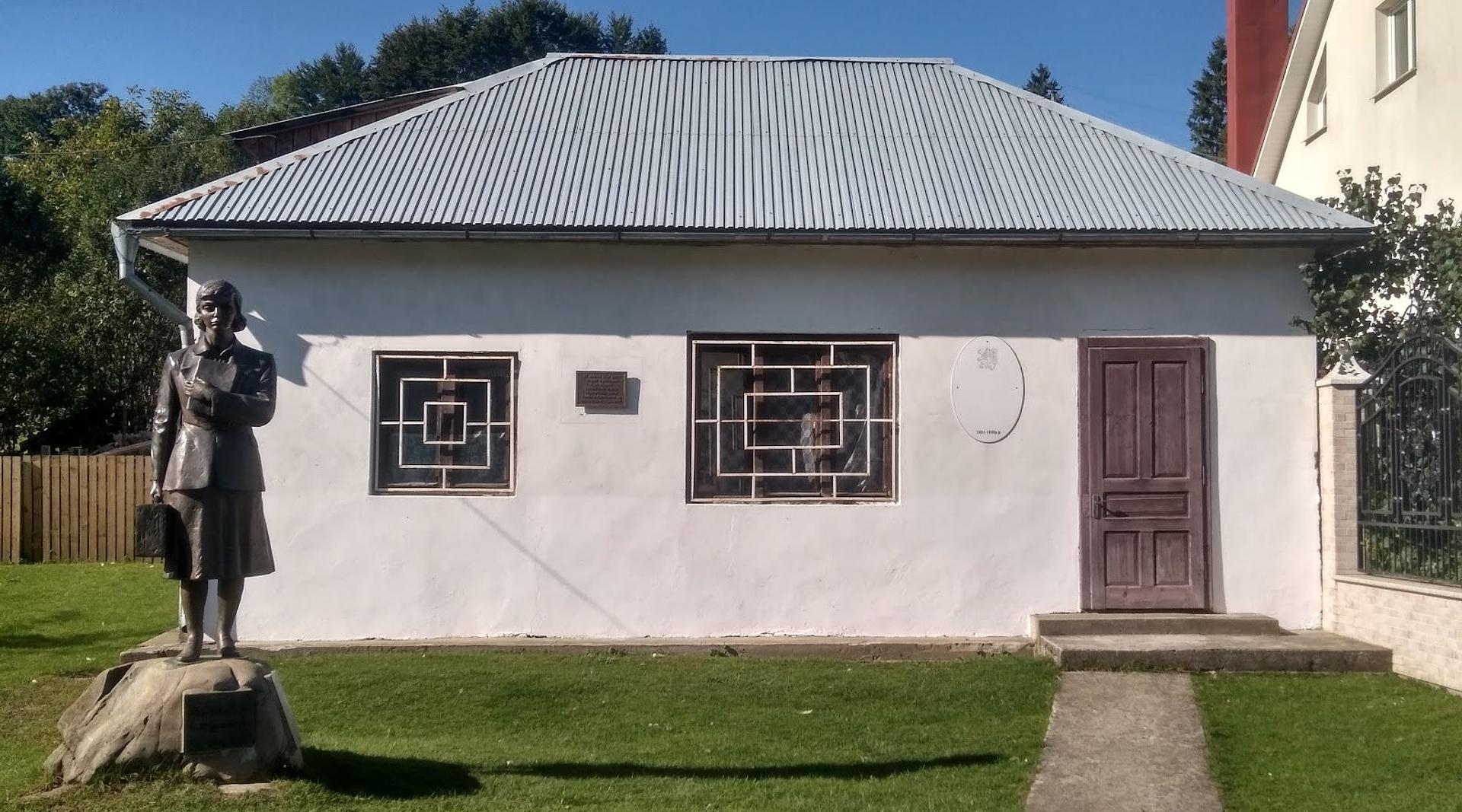
У дворі чеської школи знаходиться пам'ятник "Вчительці з Вкраїни". Є доступ до нього



The monument is called Vchytelka z Vkrayiny — the teacher from Ukraine — and the phrase is the whole point of it. Kolochava was in Ukraine when these women arrived. But in the local speech Vkrayina meant the other place: the flat country on the far side of the mountains, where they had come from and where most of them expected to return.
It stands in the yard of the old school, one of some twenty monuments strung along Kolochava's single long street. It commemorates the young teachers sent into the Transcarpathian mountains after 1944 to build a school system, and it is unusually specific about which ones.
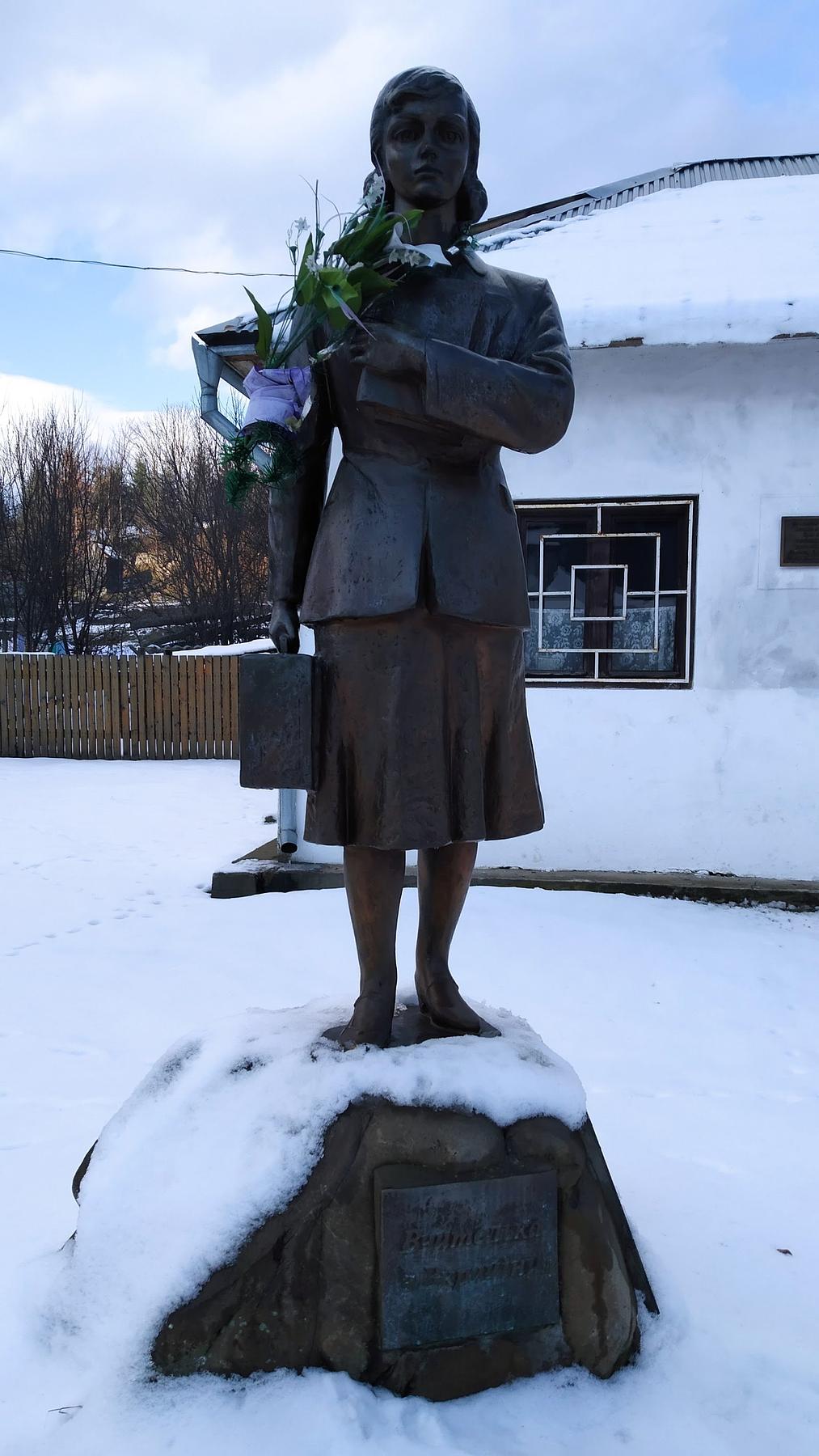
She wears the plain clothes of the early 1950s: a wide skirt below the knee, a long jacket, a small case in one hand. She is putting her foot down carefully, the way people do when they have just stepped off a bus somewhere they have never been.
Shtaier generalised the face instead of portraying anyone in particular, and it holds several things at once — curiosity, apprehension, a fair amount of plain fear. She has finished her institute, she has been assigned to a village she could not have found on a map, and she has no idea what is waiting. That is the entire content of the sculpture, and it carries.
In October 1944 the new authorities took over and schooling in Transcarpathia was rebuilt on the Soviet Ukrainian model. The reform needed teachers and the mountains did not have them. Across the 1940s and 1950s some five thousand were directed into the region from the rest of Ukraine; more than 250 of that generation went into Kolochava's schools alone.
A number of them were barely older than their senior pupils. Most had never seen a Verkhovyna village, where the houses had no electricity, the dialect was not the language they had trained in, and winter shut the roads for weeks.
Leaving again was not straightforward. Transcarpathia was a closed zone: entry and departure ran on special passes, and teachers were barred from leaving their posting without separate permission. When that rule was relaxed the answer came quickly — from 1953 they went home to their own oblasts in numbers.
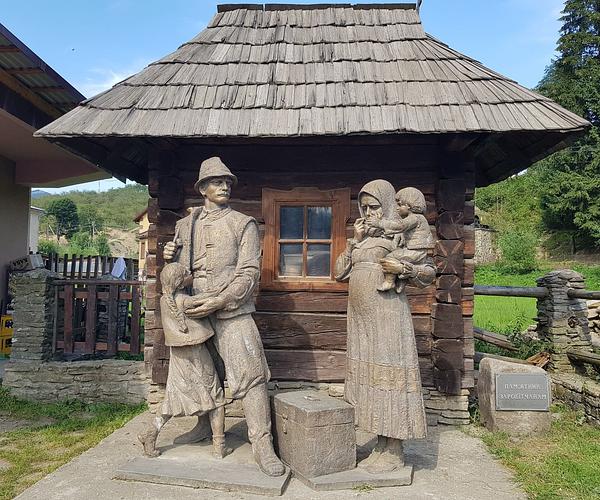
Fifteen women did not go. They married here, taught here and stayed for good, and it is their surnames — not a general dedication to the profession — that are cut into the plinth. The monument was unveiled on 3 October 2009, timed to Teachers' Day and to 110 years since the first state school opened in the village. That school opened in 1899 as a Hungarian royal one, which is a fair measure of how many systems Kolochava's children have been schooled under. The sculptor, Petro Shtaier of the Union of Artists of Ukraine, was born in the village; the migrant workers' monument down the road is also his.
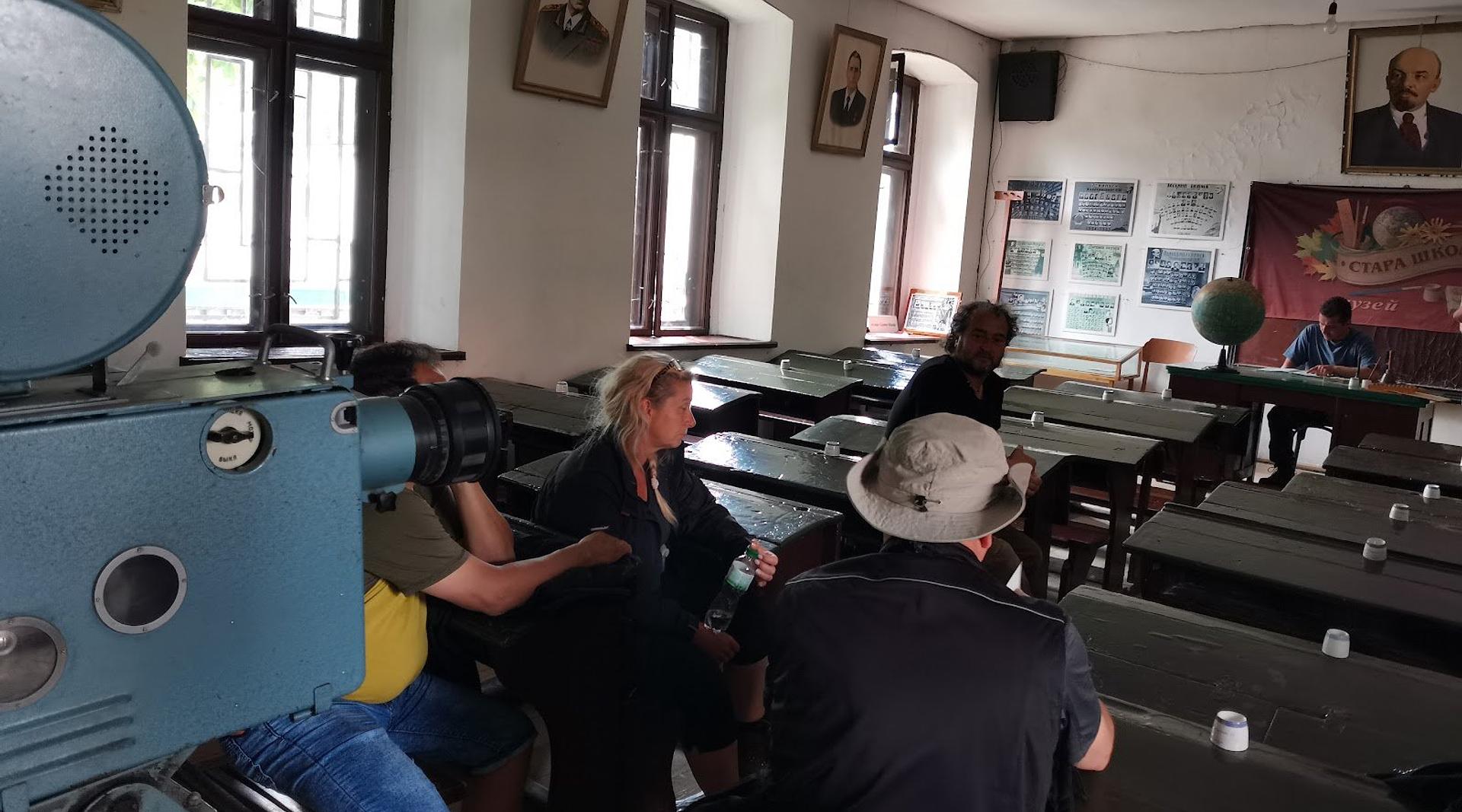
The statue stands in the schoolyard of the Old School museum, which occupies the original building and keeps two classroom museums under one roof: the Czech School, from the Czechoslovak decades, and the Soviet School, staged as a classroom of the 1960s and 1970s with its desks, registers, staffroom and Pioneer corner. Go through those before you come out to the sculpture. It is legible on its own, but it lands differently once you have stood in the room she was sent here to teach in.
У дворі чеської школи знаходиться пам'ятник "Вчительці з Вкраїни". Є доступ до нього

Пам’ятник вчителям, направленим в Закарпаття з Центральної України. Стоїть у дворі чеської школи

Сам пам'ятник і пояснювальна табличка гарні. Решта було закрито.