Updated:
August 07, 2026
Overview
Closed
View location
$
Т0720, Kolochava
View on map
Visited by explorers
2 visits


Visited. Add rating and photos while it’s fresh?
Share a quick impression or a few photos.
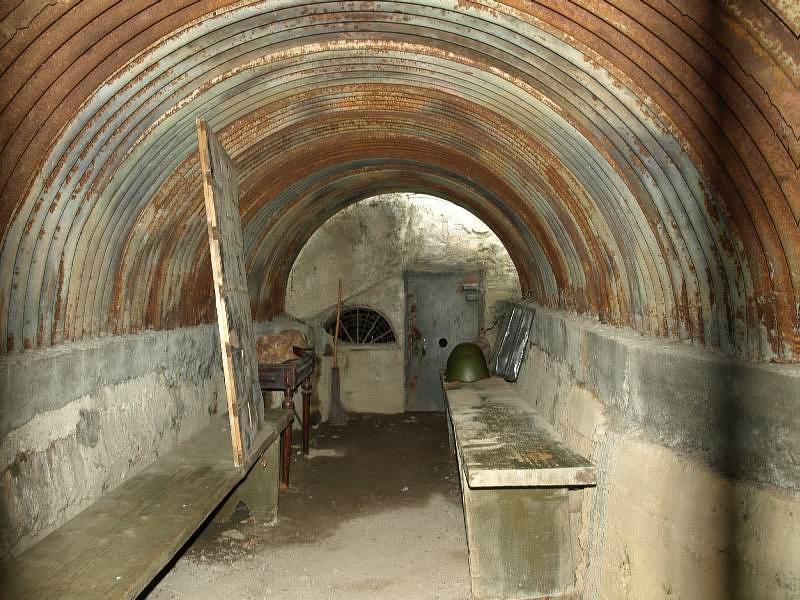
Sacks of provisions stamped 1942 stand beside a Hungarian army field kitchen and a long wooden table, in a concrete room dug into a hillside above Kolochava. The cookhouse is the last of four bunkers on the museum's route, and it is the one that changes the register: after the machine gun, the flamethrower and the hospital bunks, a room where men queued for dinner.
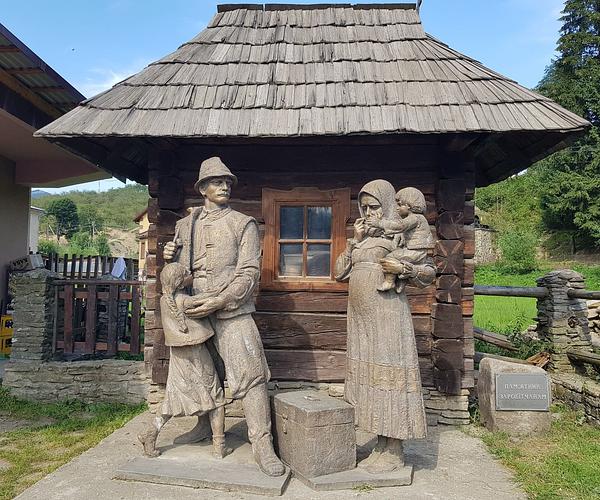
Kolochava runs to ten museums in one village, most of them about how people lived — the Stare Selo skansen, the Czech School, the Soviet School. This is the one about the war. Of the three Árpád Line sites open to visitors in Transcarpathia, it is also the one built around objects rather than architecture: Verkhnia Hrabivnytsia gives you a kilometre of tunnel, the slopes above Yasinia give you unmarked ruins, and Kolochava gives you more than 2,000 wartime items set inside the structures they belong to.
Thirty bunkers, four of them rebuilt
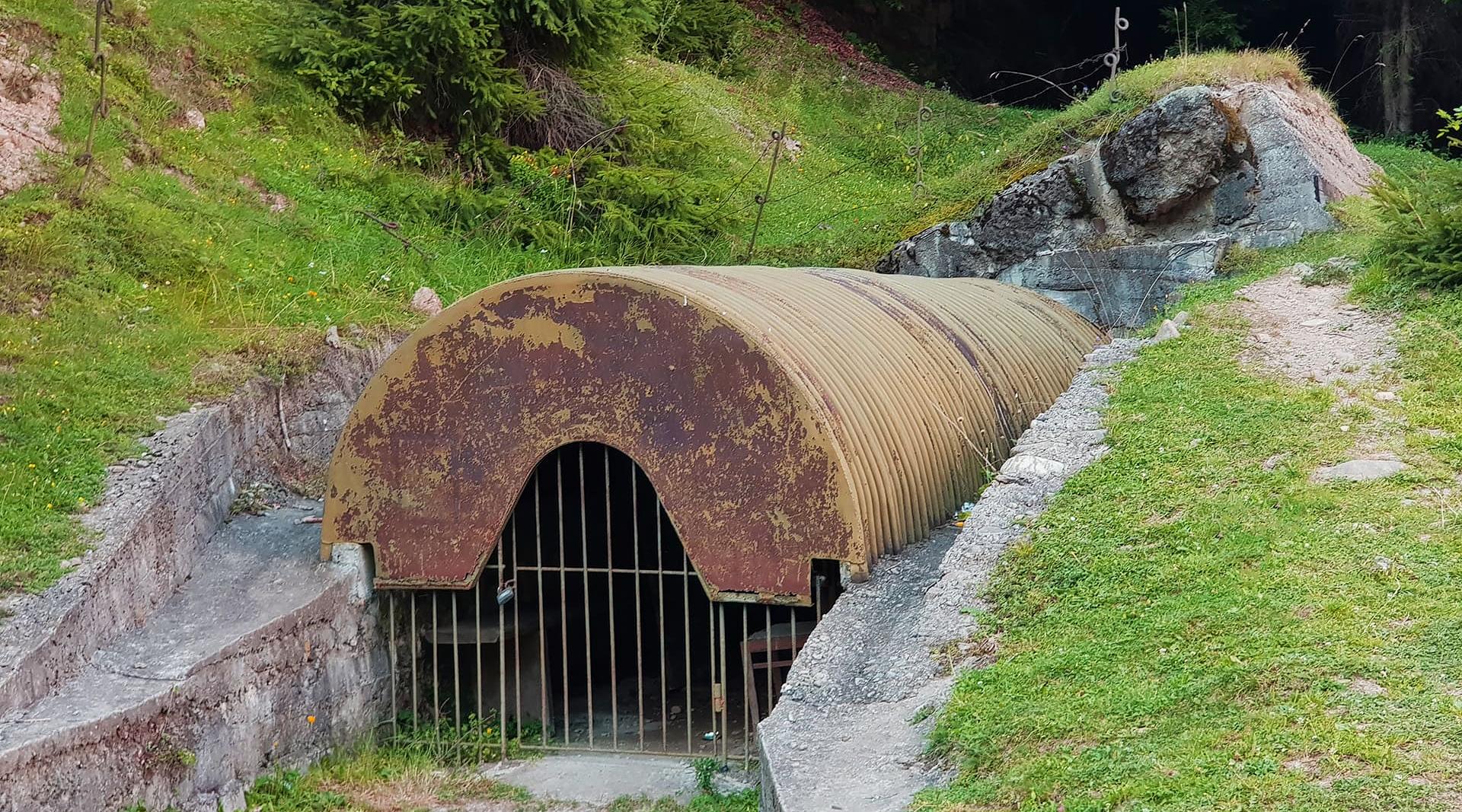
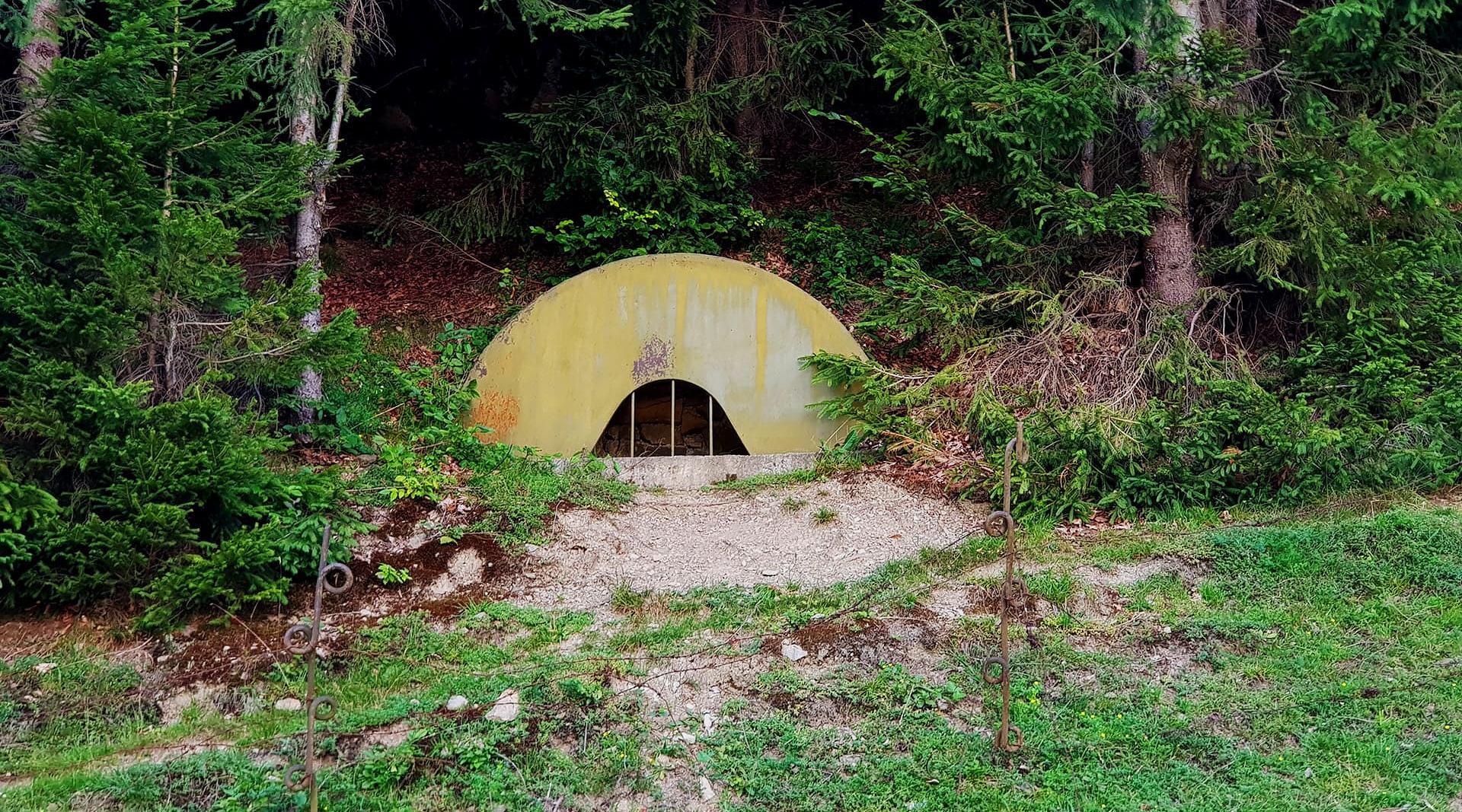
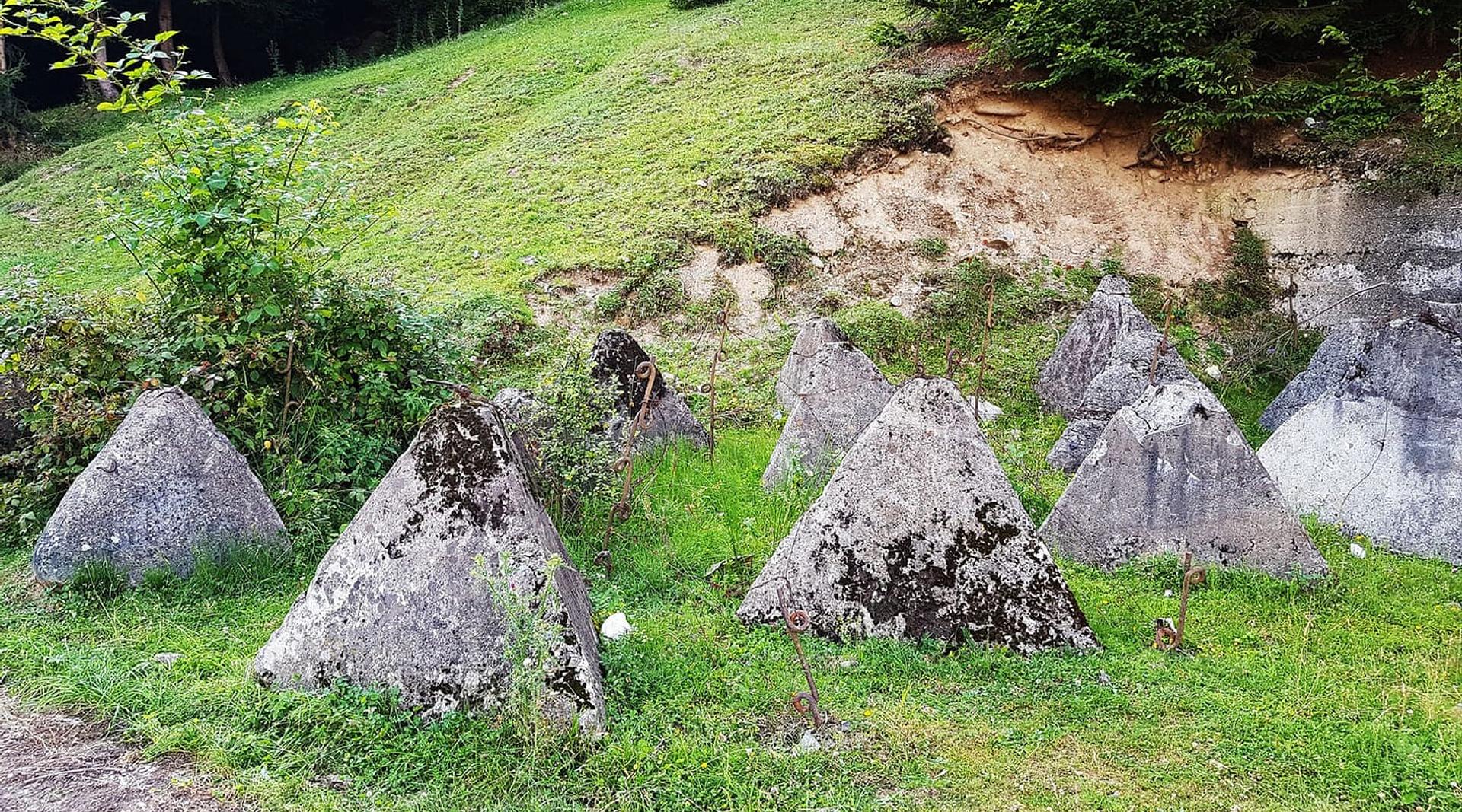
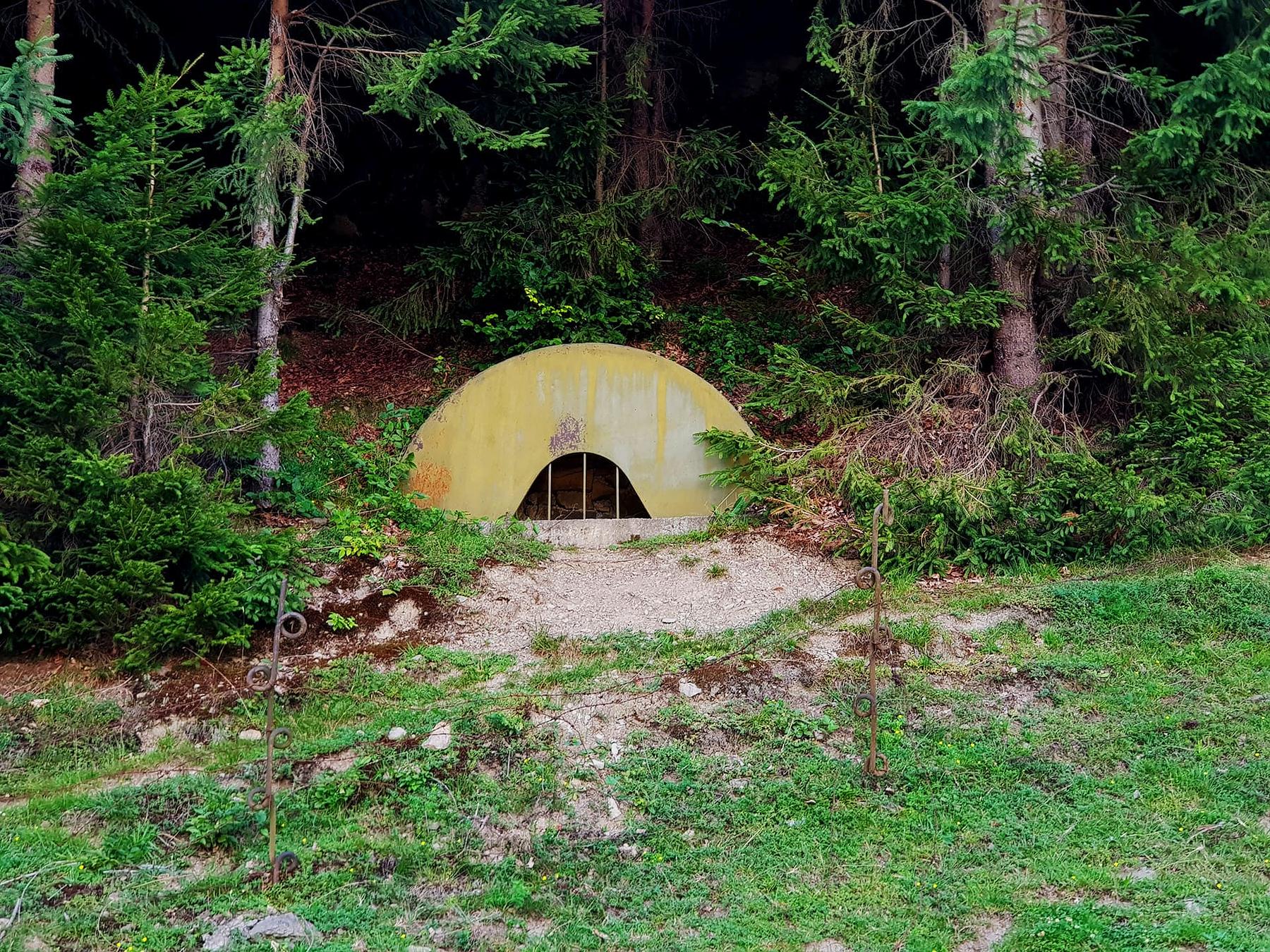
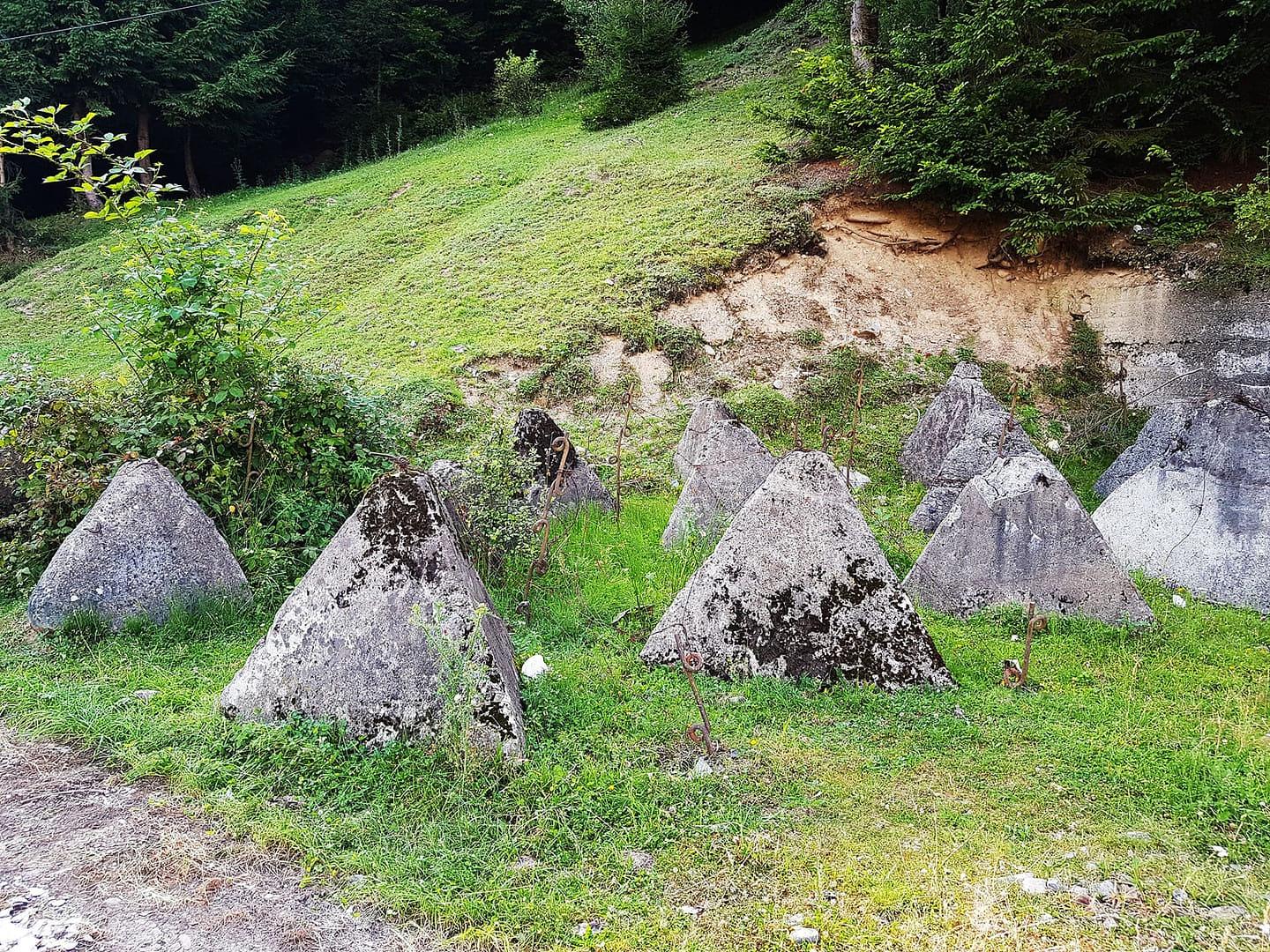
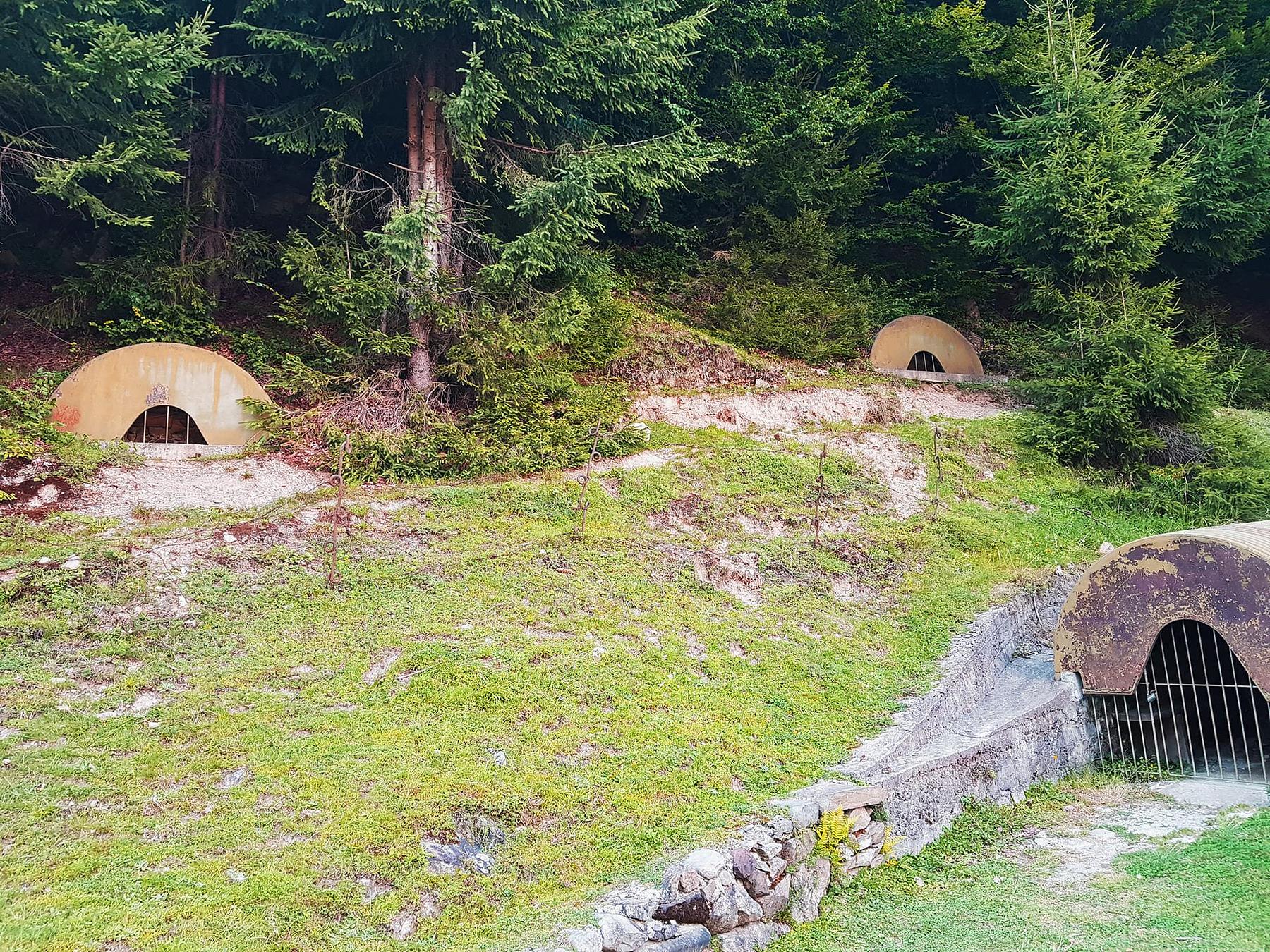
Hungary began fortifying this district around 1940, as part of the Árpád Line it was stringing along the Carpathians against a Soviet advance. Something like thirty reinforced concrete bunkers went up around Kolochava. Firing points were joined by trenches carrying telephone cable and held small arms, mortars, grenades and light anti-tank guns; in places concrete pyramids were dropped into the Tereblia to close the riverbed to vehicles.
No battle was ever fought for any of it. Soviet intelligence worked out what was here and the offensive went in elsewhere, and when the Hungarians pulled back in 1944 they blew up part of what they had built. That shapes what you see now. Almost nothing survived intact, and the museum, opened in 2014, is a reconstruction filled with a collection assembled since — as much a record of the work of preserving this as of 1944 itself.
Inside the four
The route starts at the command bunker, restored to show how a section of the defence was run from inside. The fittings are the point: a machine gun, submachine guns, rifles, ammunition pouches, grenades, helmets, optical sighting gear, a flamethrower, a fire extinguisher, lengths of power cable — the ordinary equipment of the position rather than trophies behind glass.
Next door is the fighting bunker, a plainer structure with a plainer job, and the one that makes the geometry legible: this is where the line actually shot from. Third is the hospital, where the wounded were stabilised and prepared for evacuation — three-tier bunks, medical kits, instruments, in a room too small for any of it. It is the hardest stop on the route and the one people remember. Then the cookhouse.
A hundred metres of concrete pyramids
Outside, the museum has rebuilt a 100 m run of anti-tank obstacle from concrete pyramids recovered locally, claimed as the longest restored line of its kind in Europe. The bunkers show you function; the pyramid line shows you intent — an engineer's plan to stop a column of vehicles dead in a river valley. It is also the part of the site you can see without booking anything.
Visiting
Book ahead. The bunkers are locked, and travellers who turn up unannounced generally see the pyramid line and the surviving concrete from the outside and nothing more. Tours are arranged through the administrator at the Stare Selo skansen, and a guide is not a formality here: without one the rooms are a heap of hardware and the connections between them stay invisible.
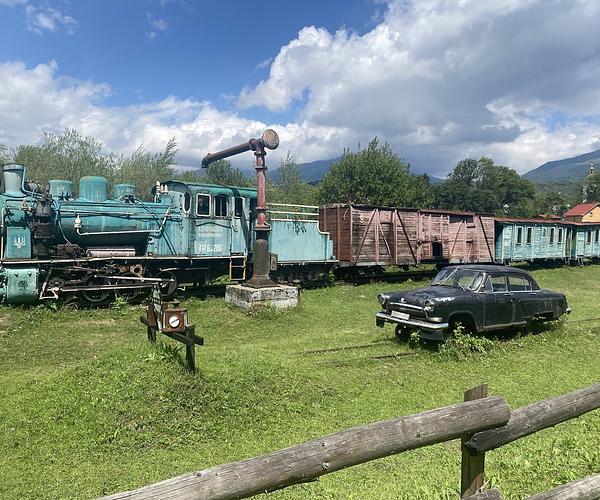
Allow an hour and a half to two hours, more if you read every label. Kolochava is reached by car via Volovets and Mizhhiria; buses run from Uzhhorod, Khust and Mukachevo, or via Volovets with a change. In the village the museum sits on the usual walking circuit alongside the narrow-gauge railway, the Church of the Holy Spirit and Shtaier's Bunker, and Lake Synevyr and the Vilshany reservoir are close enough to finish the day above ground.
Location Árpád Line Museum, Kolochava
Árpád Line Museum, Kolochava - Reviews
No reviews yet. Be the first to leave one!
Leave a Review
Guest User
Sign in to personalize your review
Phone numbers
Main
+380672380985
Opening Hours
Closed
Opens Mon 10:00
Monday
10:00 – 16:00
Tuesday
10:00 – 16:00
Wednesday
10:00 – 16:00
Thursday
10:00 – 16:00
Friday
10:00 – 16:00
Saturday
10:00 – 16:00
Sunday
10:00 – 16:00
Nearby places
Similar Listings
Similar Listings you may like
Discover exciting places. Find what you’re looking for.