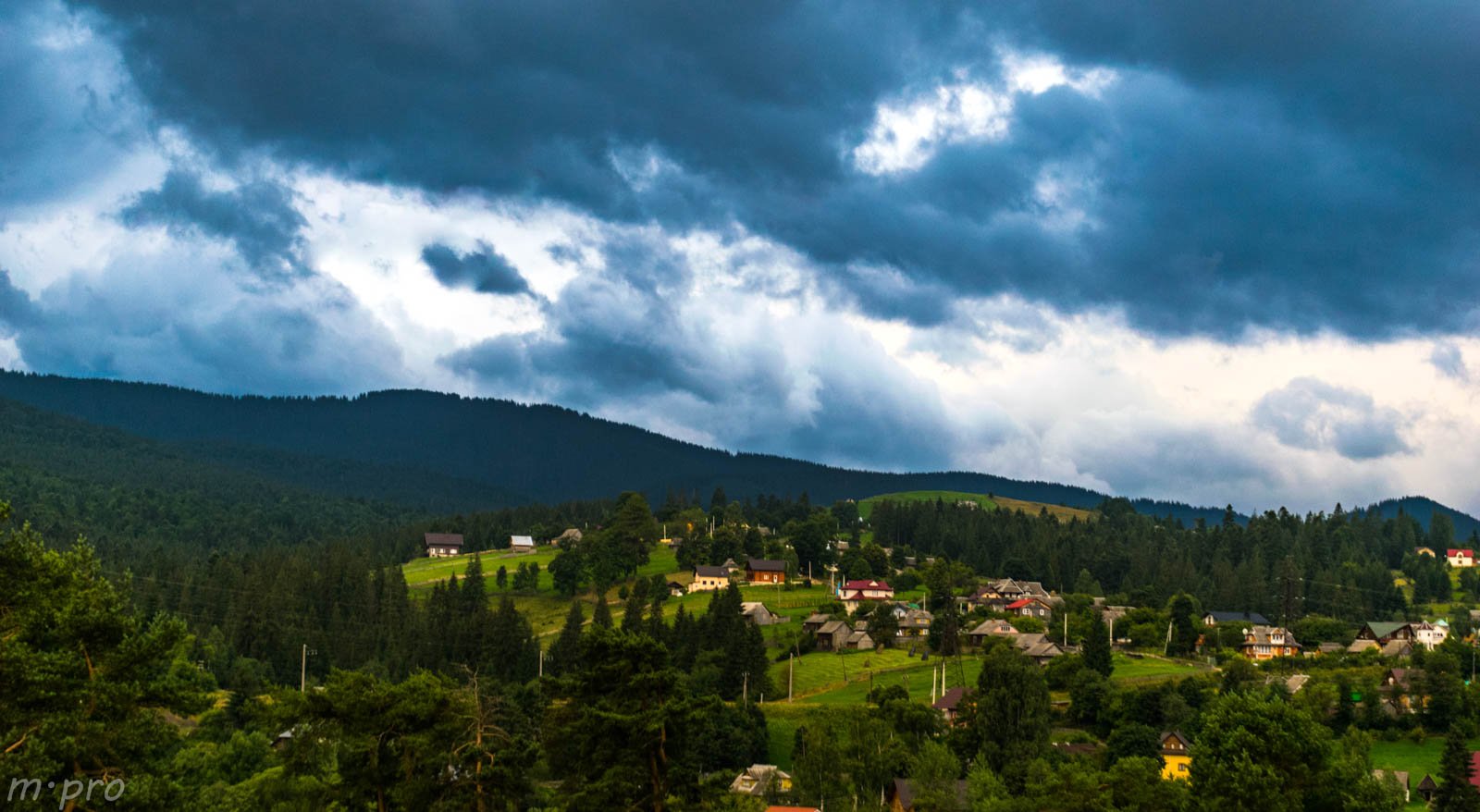
Vorokhta
Map: Vorokhta
Where to go in Vorokhta
Where to stay in Vorokhta
Where to eat in Vorokhta
In March 1922 the Polish national ski-jumping championship was contested on a slope above Vorokhta's railway line. Aleksander Rozmus won it, and one of the entrants in the second seniors' class was a woman, Elżbieta Michalewska-Ziętkiewiczowa, whose result was never officially classified. The jump had gone up the winter before, built by the skiing section of the Polish Tatra Society in Stanisławów, on a hillside that has been in the ski-jumping business, on and off, ever since.
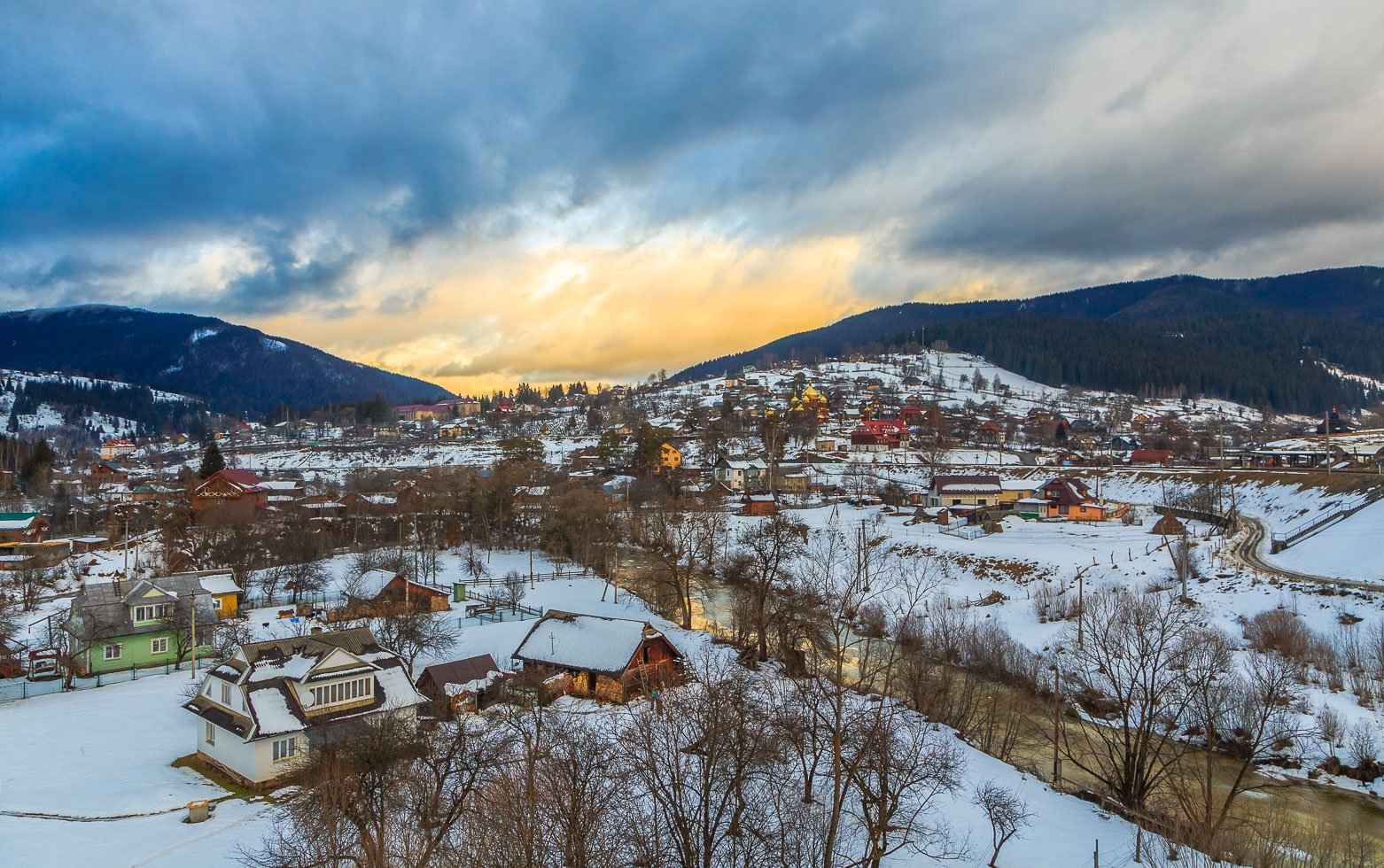
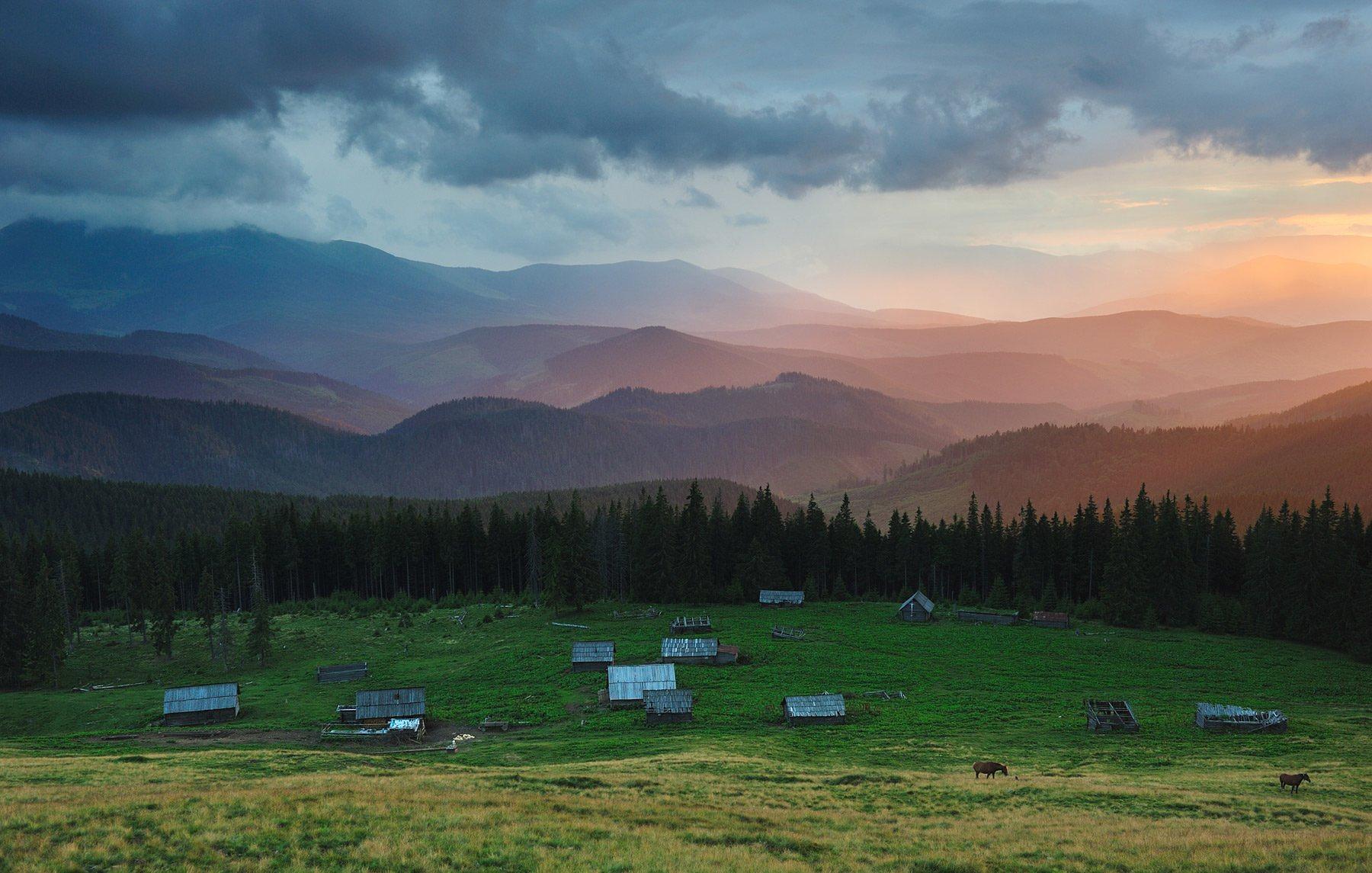
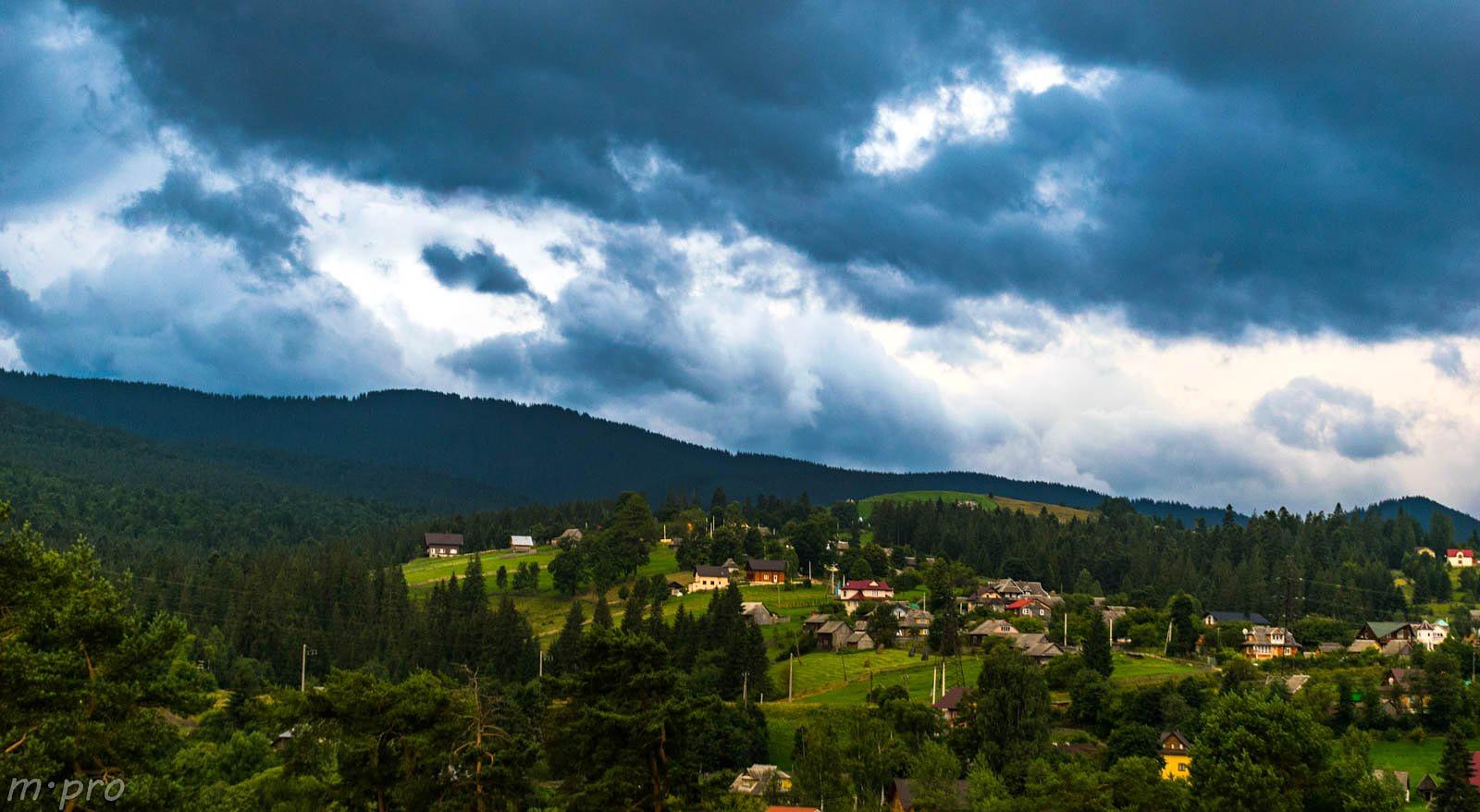
That is the thread worth holding here. Almost everything in Vorokhta was put up for people who came to work: the railway for timber, the jumps for competition, the Soviet base for athletes sent to train in the thin, heavily ionised air of 850m. Tourism arrived afterwards and has never taken the village over. Bukovel is twenty minutes away and looks nothing like this.
The bridge the trains stopped using
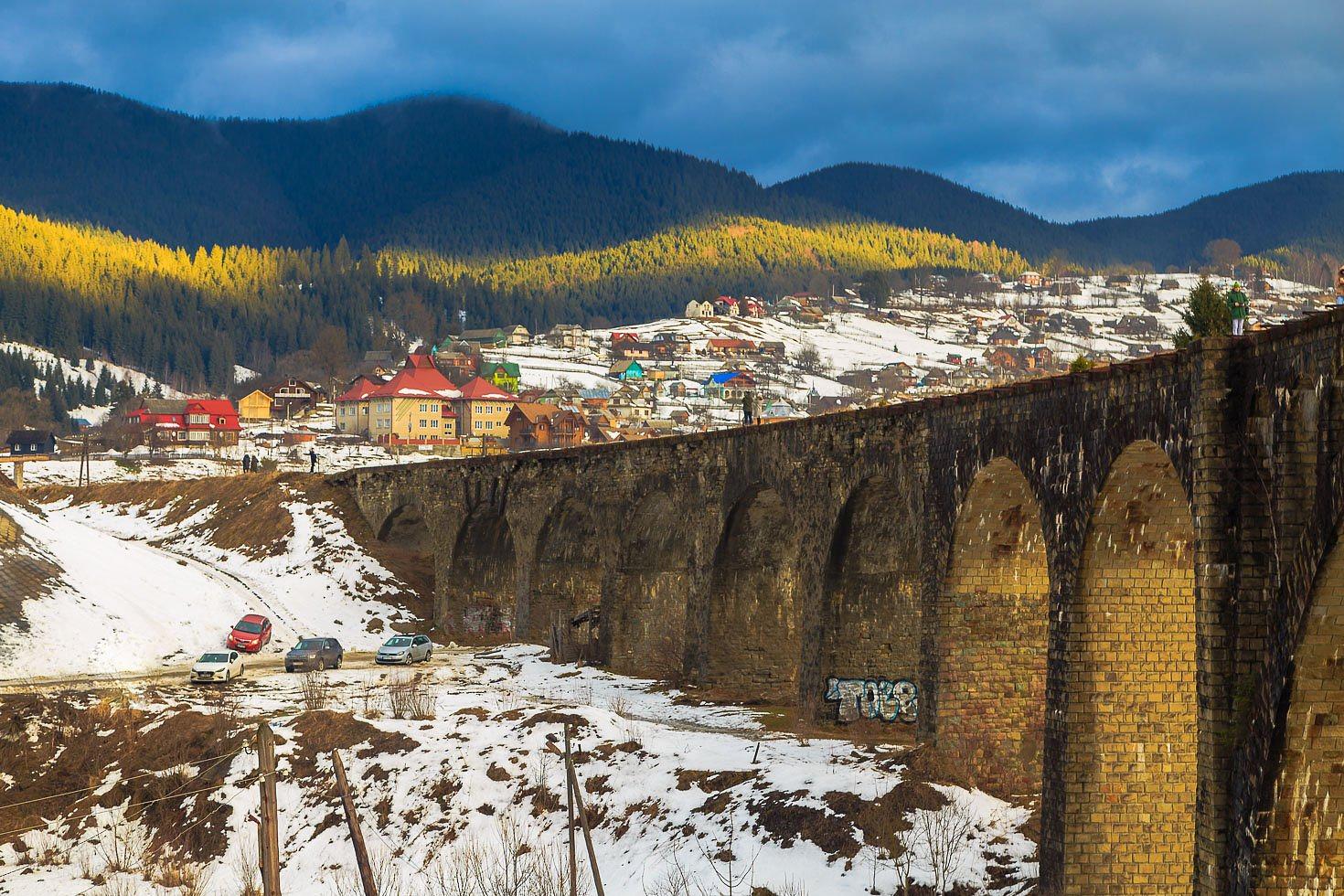
The stone viaduct over the Prut went up in 1895, part of the same Habsburg push that drove a railway through these valleys — roughly 130m of arches curving with the line. Local tradition credits Italian prisoners of war with the masonry; Austria-Hungary was not at war with Italy in 1895, so take that as folklore and look at the joints instead, cut close enough that the thing has stood for over a century.
Trains cross a newer bridge alongside now, which is the best outcome the old one could have had: it is a footpath. From the road underneath, the arches read as portals; from the slope above the church you get the postcard — old bridge, new bridge, a train, and the ridges behind. Go early or late.
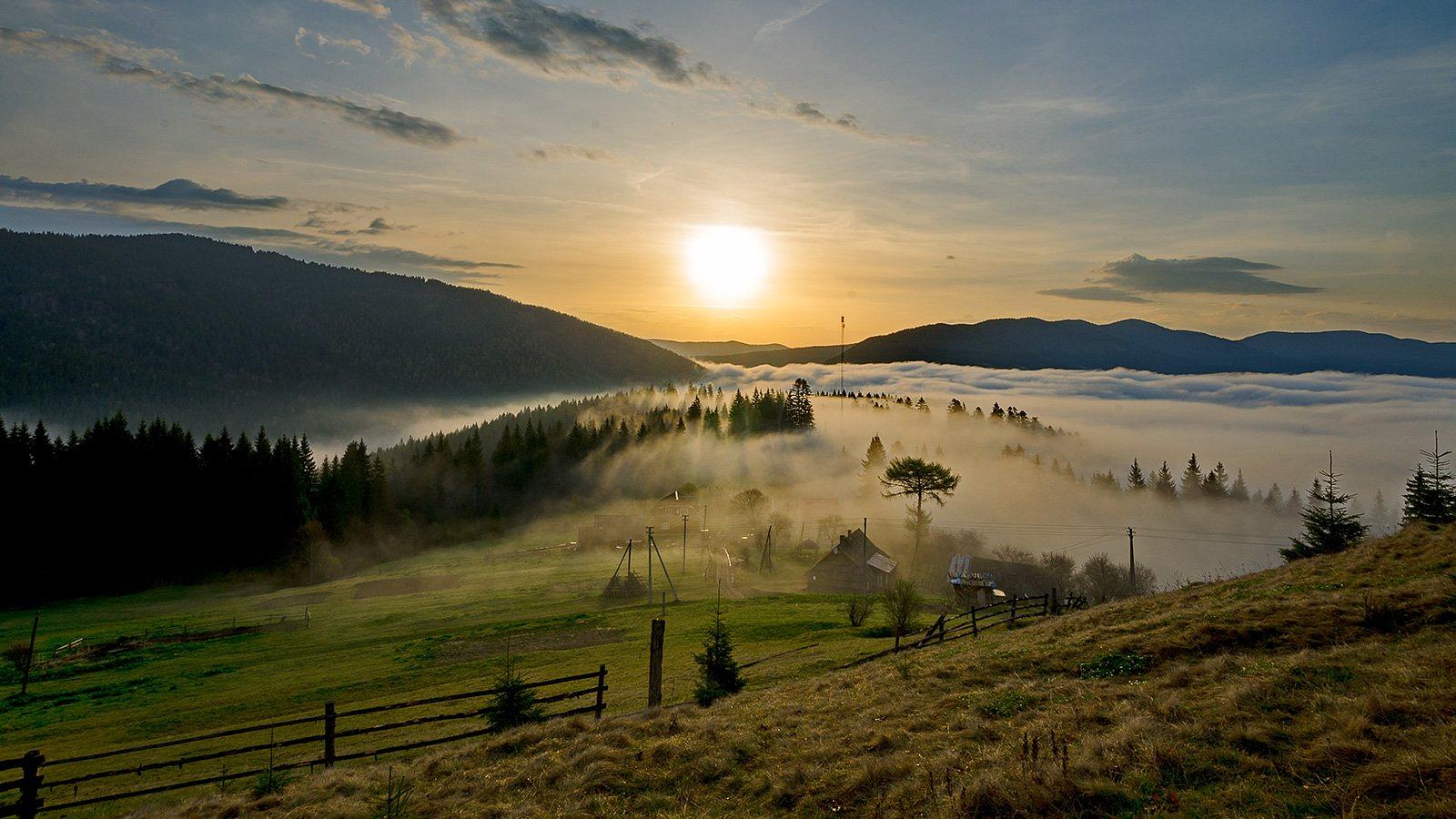
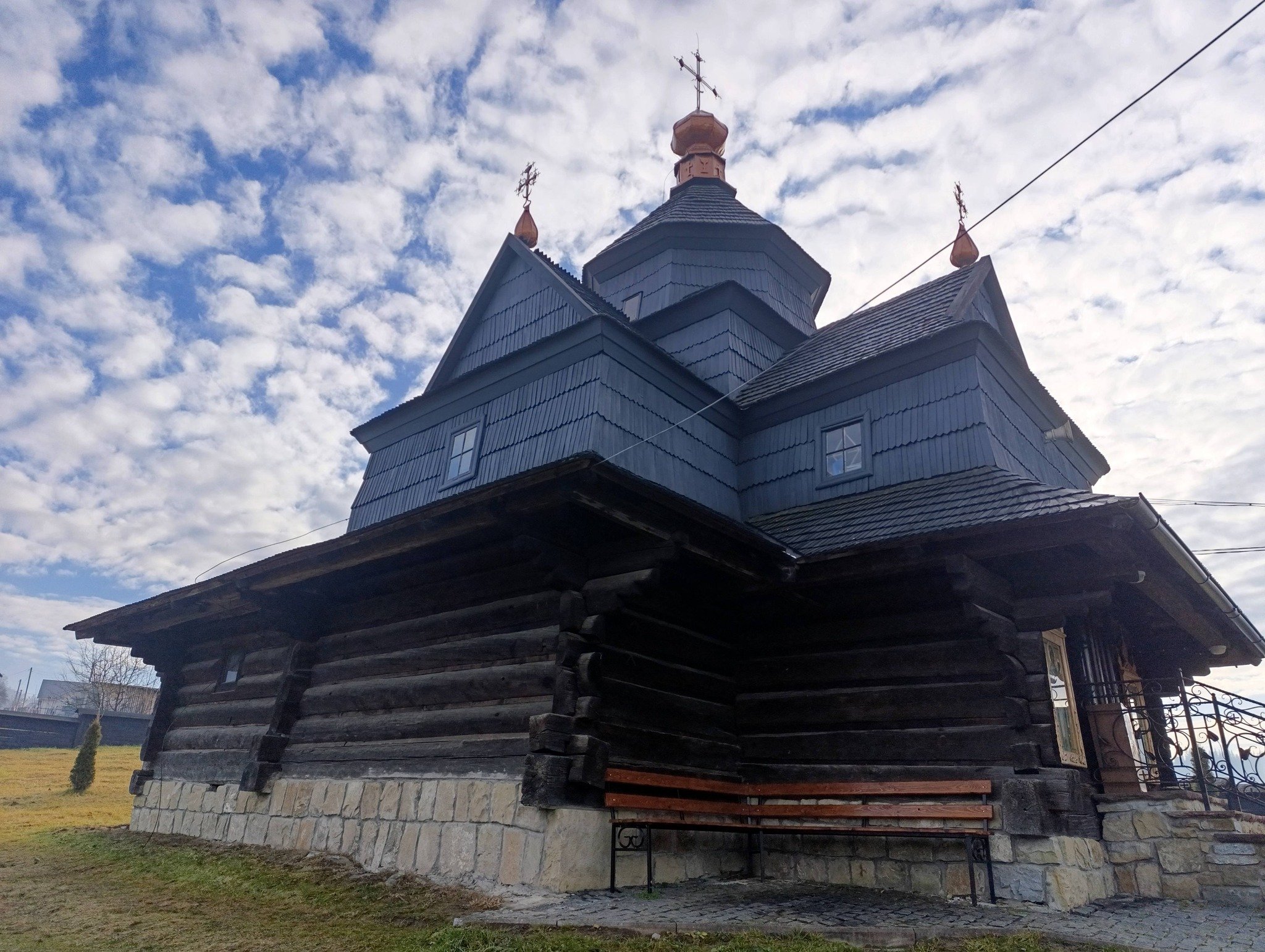
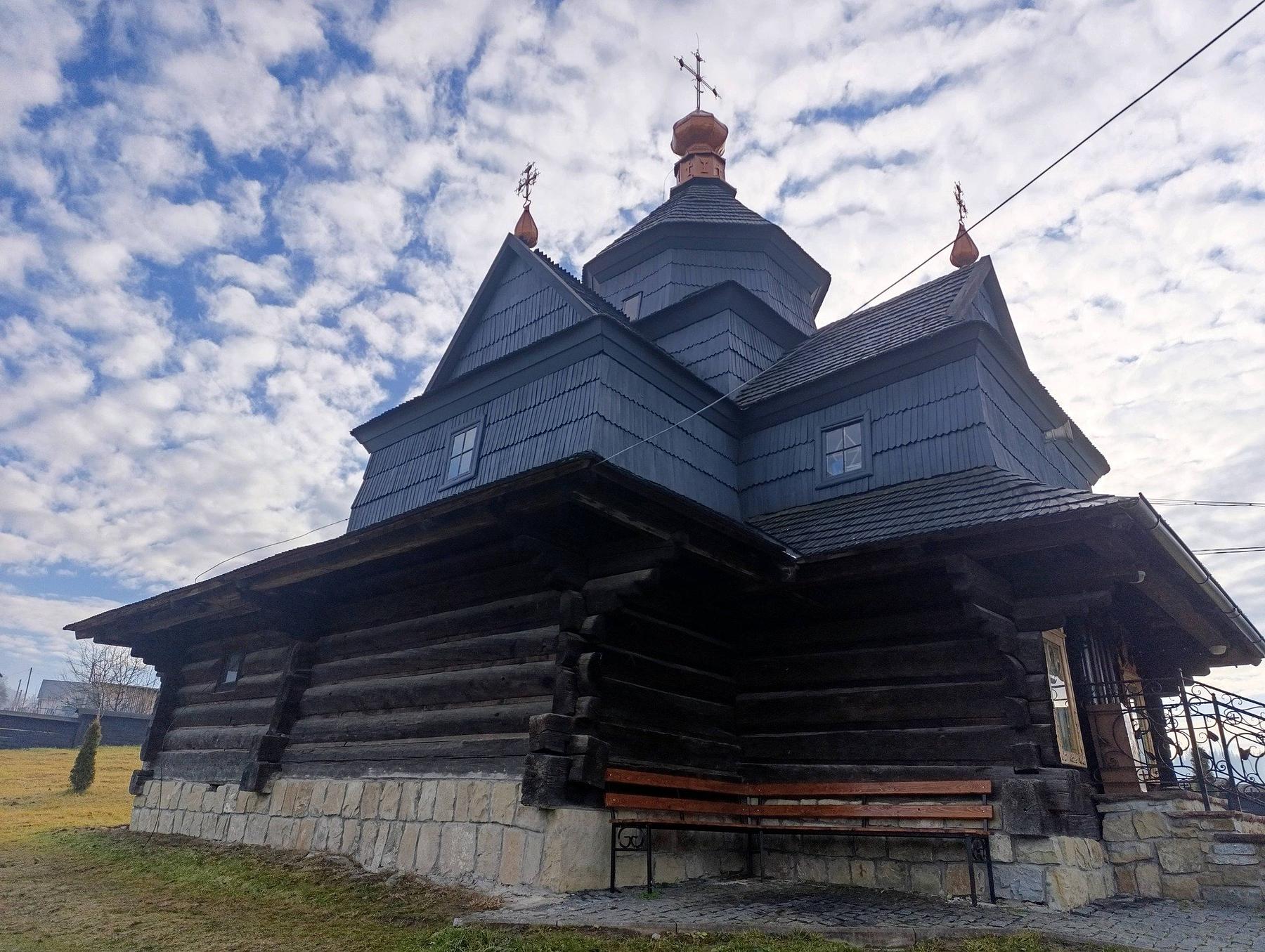
On a hilltop at the north end of the village stands the wooden Church of the Nativity of the Theotokos, built in the village of Yablunytsia — probably early in the 17th century, though the dating is argued over — and moved here in 1780. Shingled, nail-free and plain inside, it is the quietest ten minutes in Vorokhta.
The nearest bed to Hoverla
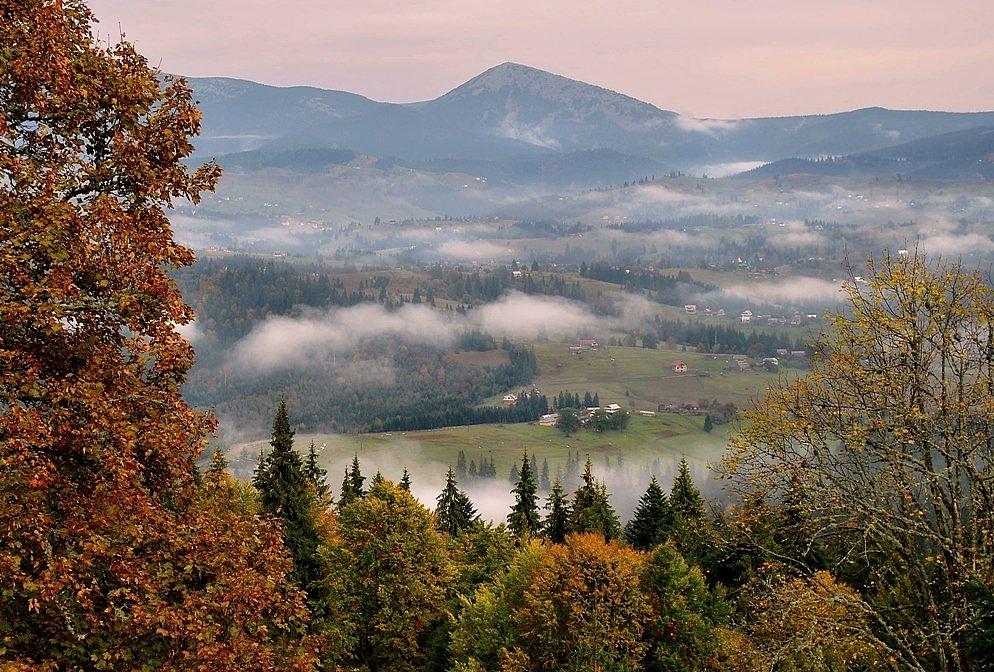
Vorokhta is where you sleep if the holiday has a summit in it. Hoverla, at 2,061m the highest point in Ukraine, is climbed from the Zavoiela checkpoint just outside the village, where you register and pay a small fee; the Zaroslyak sports base sits about 8km on, up a rough but driveable road. The park puts its marked trail at 10.5km and around five hours. Set off at seven or eight — summer afternoons build thunderstorms here, and the ridge thins out the earlier you go.
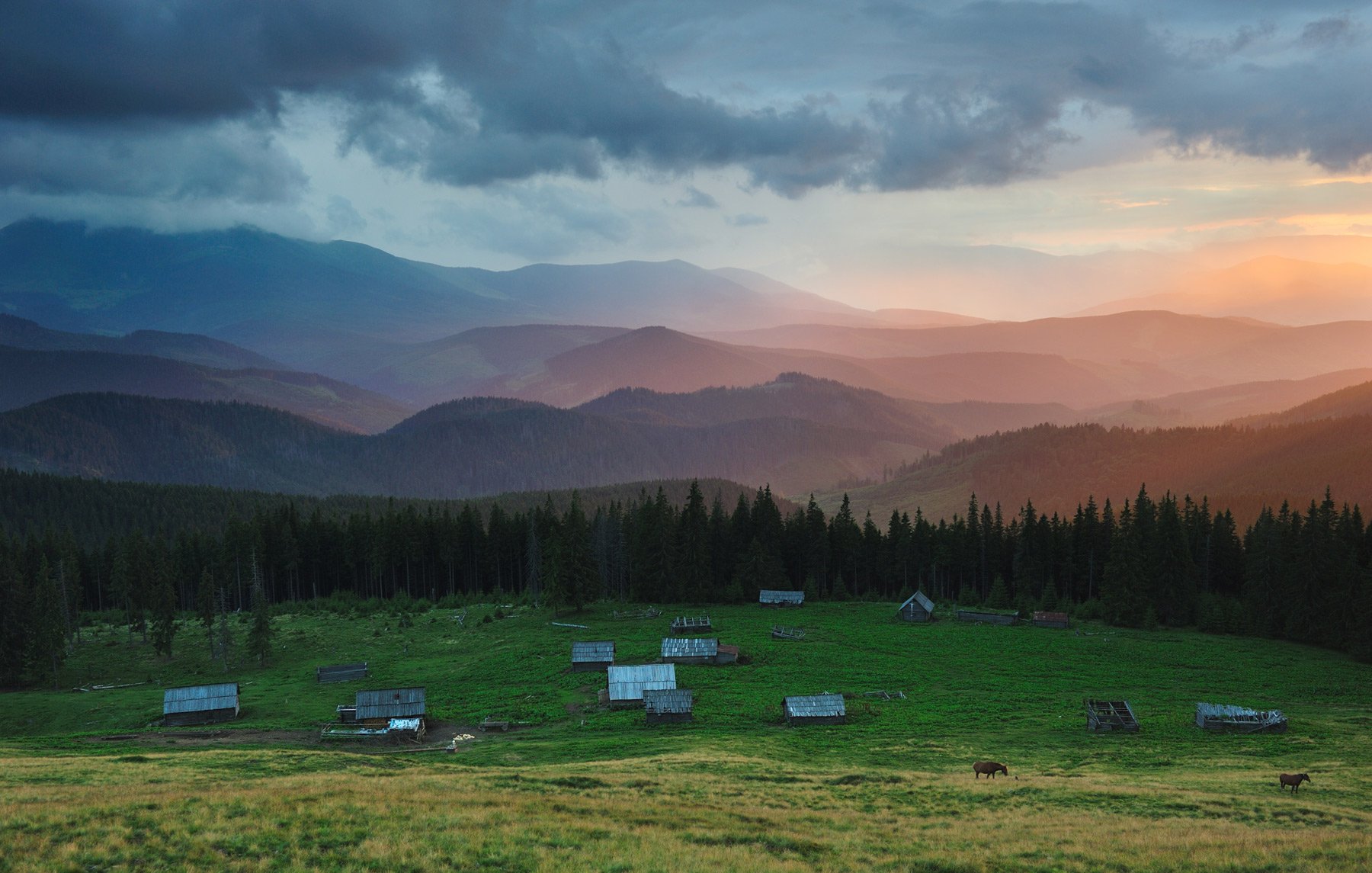
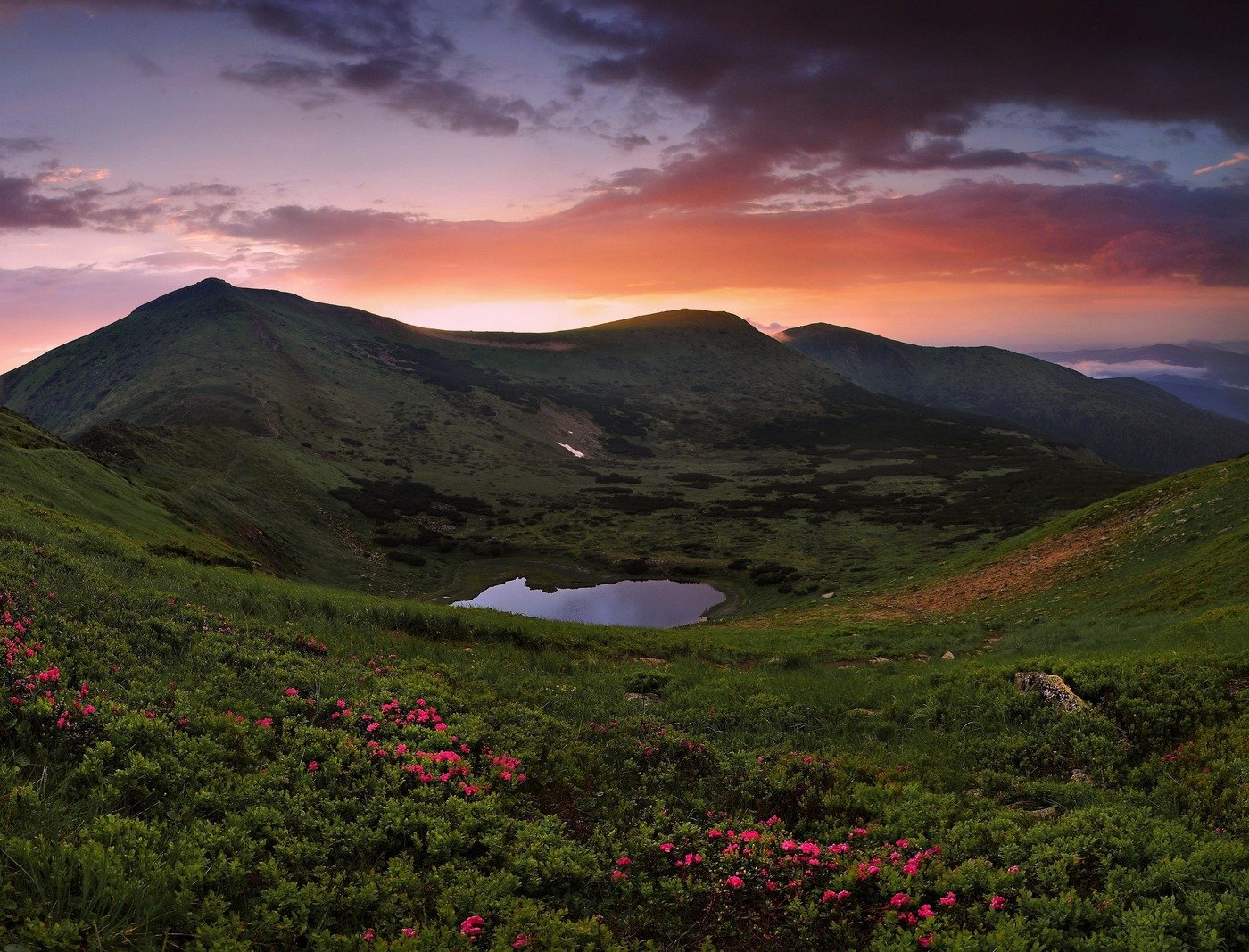
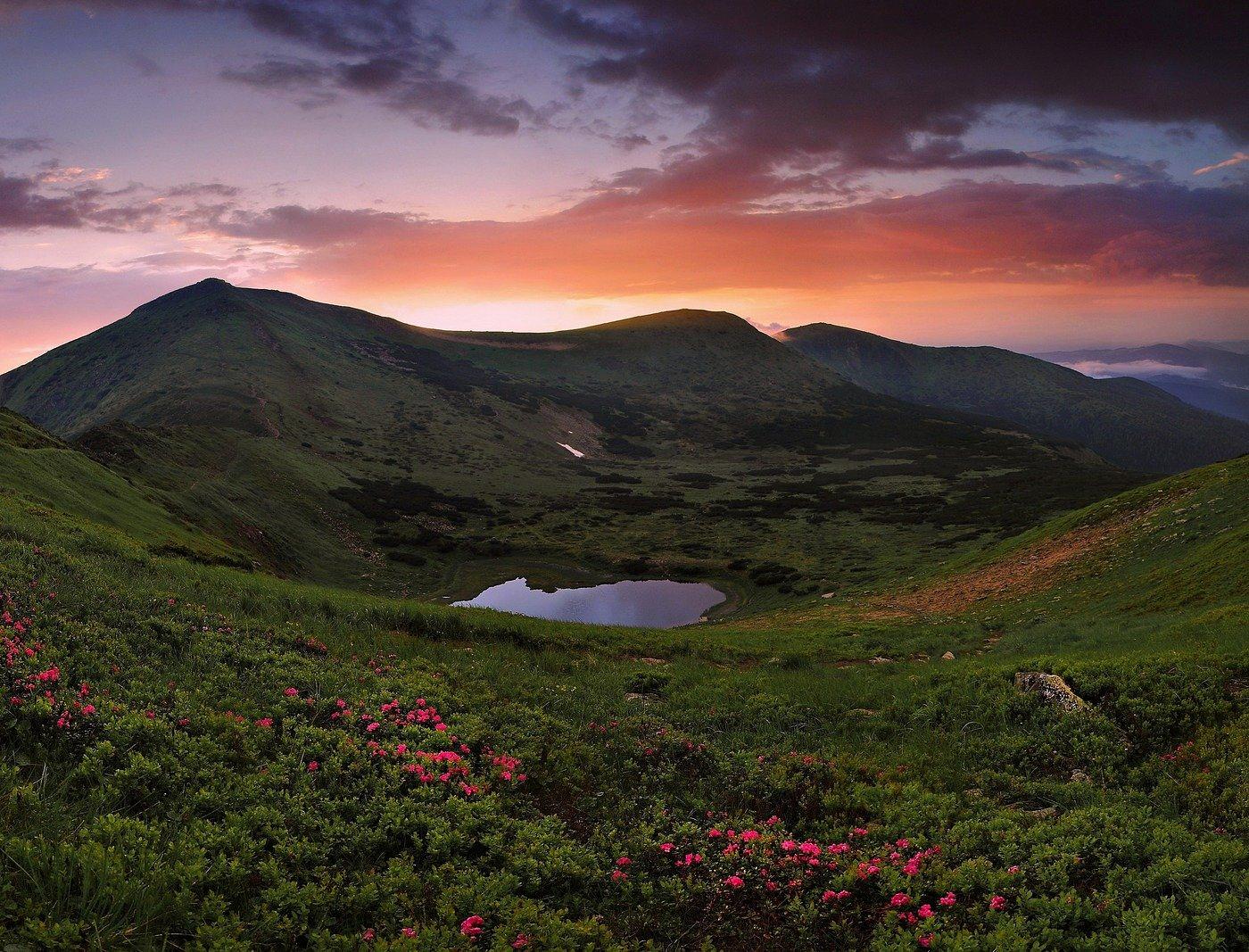
The better walk, for anyone who has already done Hoverla or has no wish to, is Lake Nesamovyte at 1,750m: a glacial pool reached from the same base through spruce forest and then dwarf-pine scrub, far less trodden than the summit path. Swimming is not allowed. Hutsul lore says a stone thrown into the water brings on the weather, and that hail is born there. Kukul (1,539m) starts from the village itself, is the easiest of the three days, and gives the finest view of the whole Chornohora wall — Hoverla and Petros in one frame — with shepherds selling budz and vurda off the pastures on the way. Mt Tomas is the short-legged alternative.
Winter, and the cheapest way to ski Bukovel
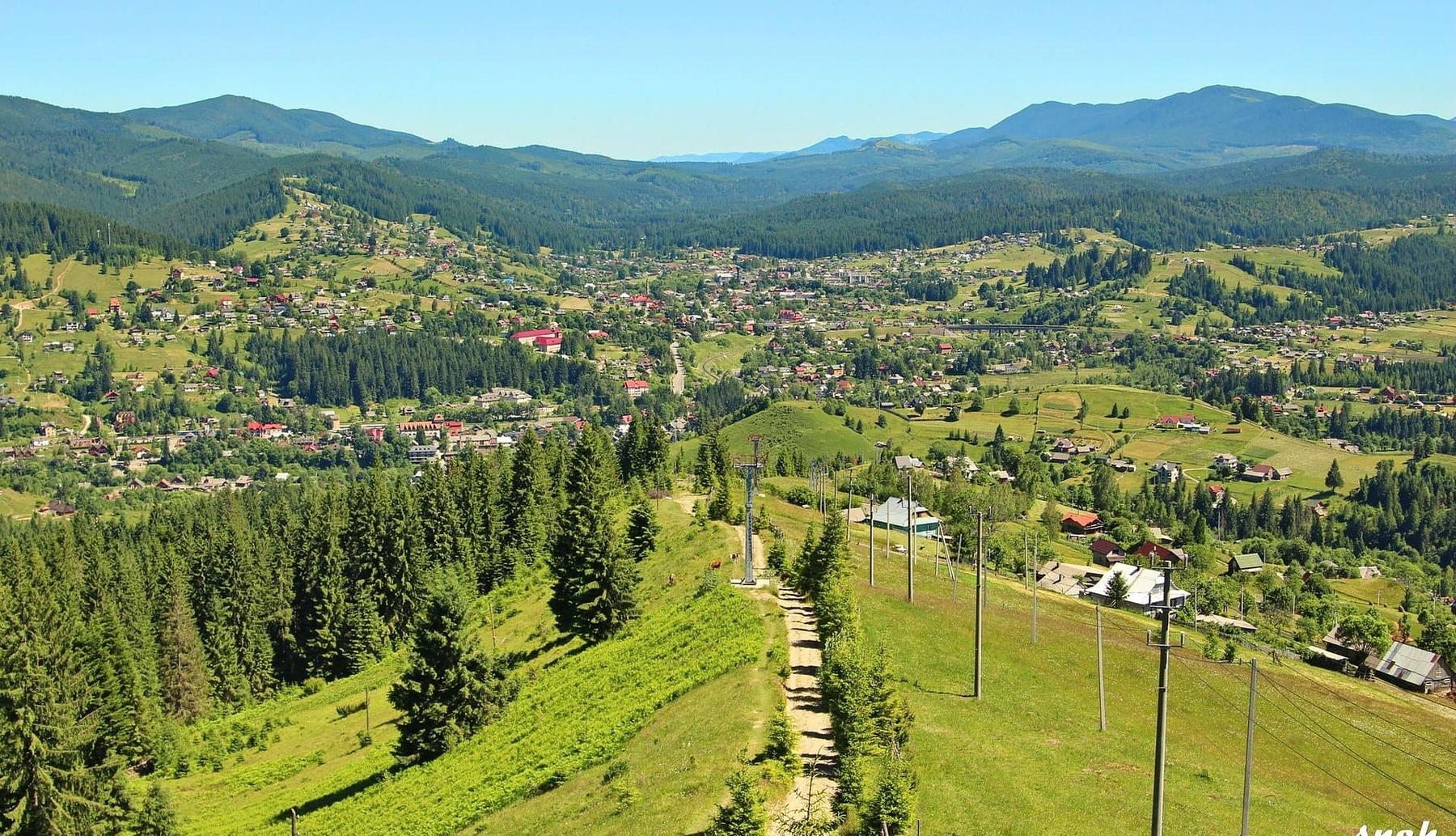
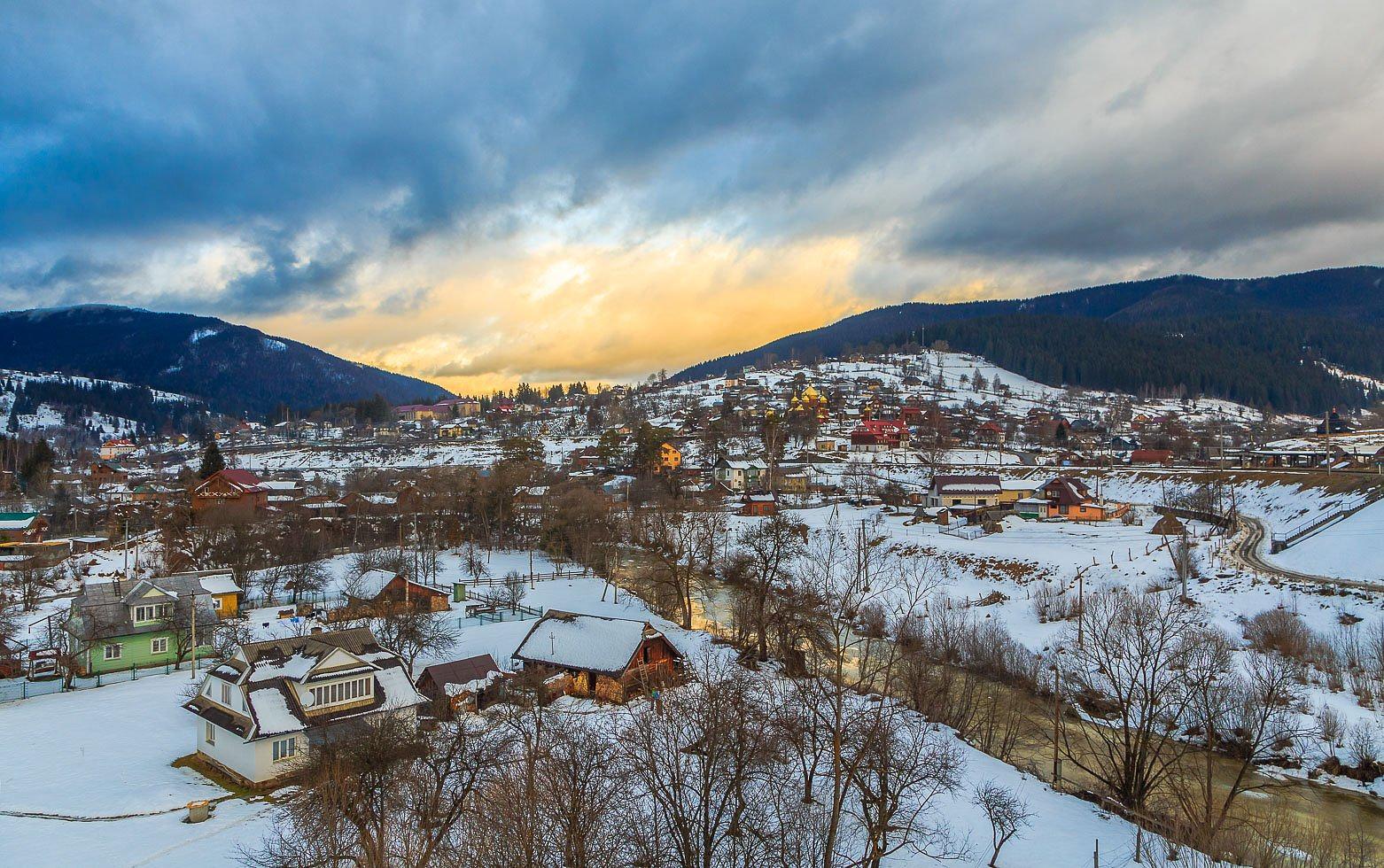
Snow turns Vorokhta into a compromise that works. Its own skiing is small: the Avanhard piste runs about 500m with a chairlift, pitched and priced for people still learning. What most winter visitors do is sleep here and ski there, taking the twenty-minute transfer to Bukovel and paying a fraction of what a Bukovel bed costs.
The jumps still work, after a fashion. The Avanhard complex on that 1922 slope now carries K-75 and K-90 hills, the largest in Ukraine, and their scaffolding is visible from most of the village. Junior schools use them rather than international meets now, and the artificial matting keeps jumping going through summer. If a session is on, stop and watch: the in-run is far steeper than it photographs. Afterwards, eat banosh — maize porridge cooked in cream with brynza and pork scratchings, and the regional dish rather than a tourist invention.
Getting in, getting up
The railway is the practical advantage. Trains from Kyiv, Lviv, Odesa, Kharkiv and Dnipro on the Rakhiv line stop in the middle of the village; book well ahead for weekends and holidays, because this direction sells out. Buses from Ivano-Frankivsk take about two and a half hours. Driving, follow the H-09 to Tatariv and carry straight on where the Bukovel traffic turns off — eight quiet kilometres along the Prut, on winter tyres in season. For Hoverla and Nesamovyte you will want a car or a taxi to the checkpoint; nothing scheduled goes up there.
Two nights, or a week?
Vorokhta repays a longer stay than its size suggests, because weather here takes days off without asking. Two nights gets the viaduct and one mountain; four gets Hoverla, Nesamovyte and Kukul with a spare day for rain.
Base here rather than Yaremche if you would rather be at the trailhead than in the shops: Yaremche has more beds, more kitchens and a waterfall in the middle of town, while Vorokhta has the Chornohora and a hundred metres of viaduct to yourself at eight in the morning. Base here rather than Pylypets if you want two-thousand-metre peaks, forest and a glacial lake rather than an open grassy ridge with a lift onto it. And come in September — the pastures are still worked, the days are long enough for a summit, and the village goes quiet.